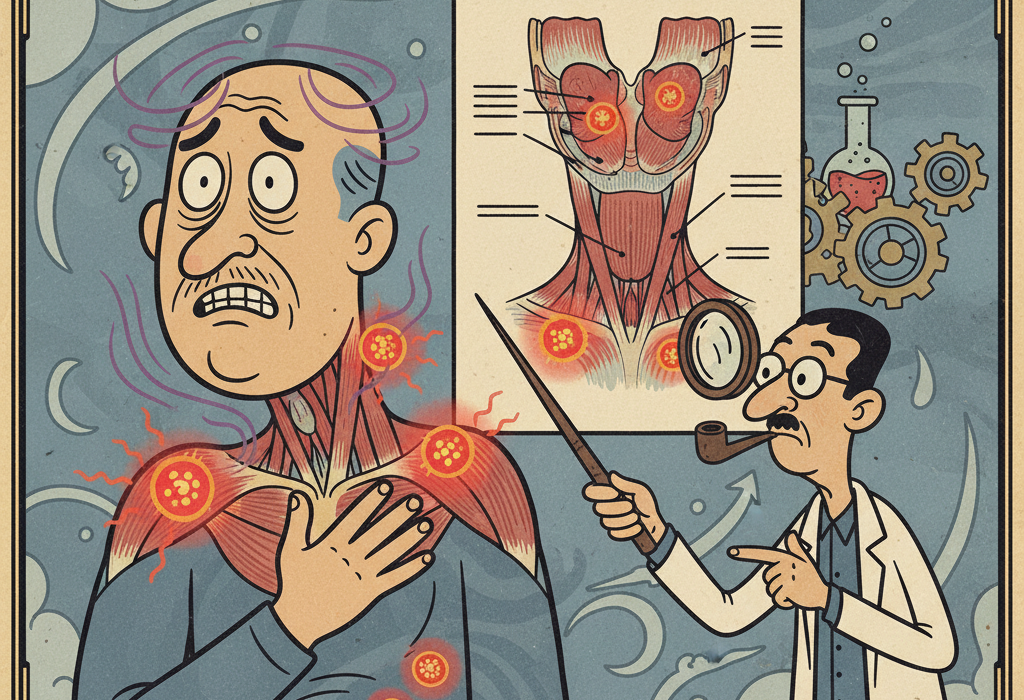
If you have ever pressed your fingers into a stiff, tender knot in your neck and suddenly felt a dull ache spread up into your head, you have experienced a trigger point in action. For decades, people have described these tight bands of muscle as “knots,” but science has a more specific term for them, and they are responsible for a surprising amount of daily discomfort.
Research shows that these sensitive spots do not just cause localized neck pain. They are frequently the hidden culprits behind tension headaches, migraines, and even symptoms that mimic pinched nerves.
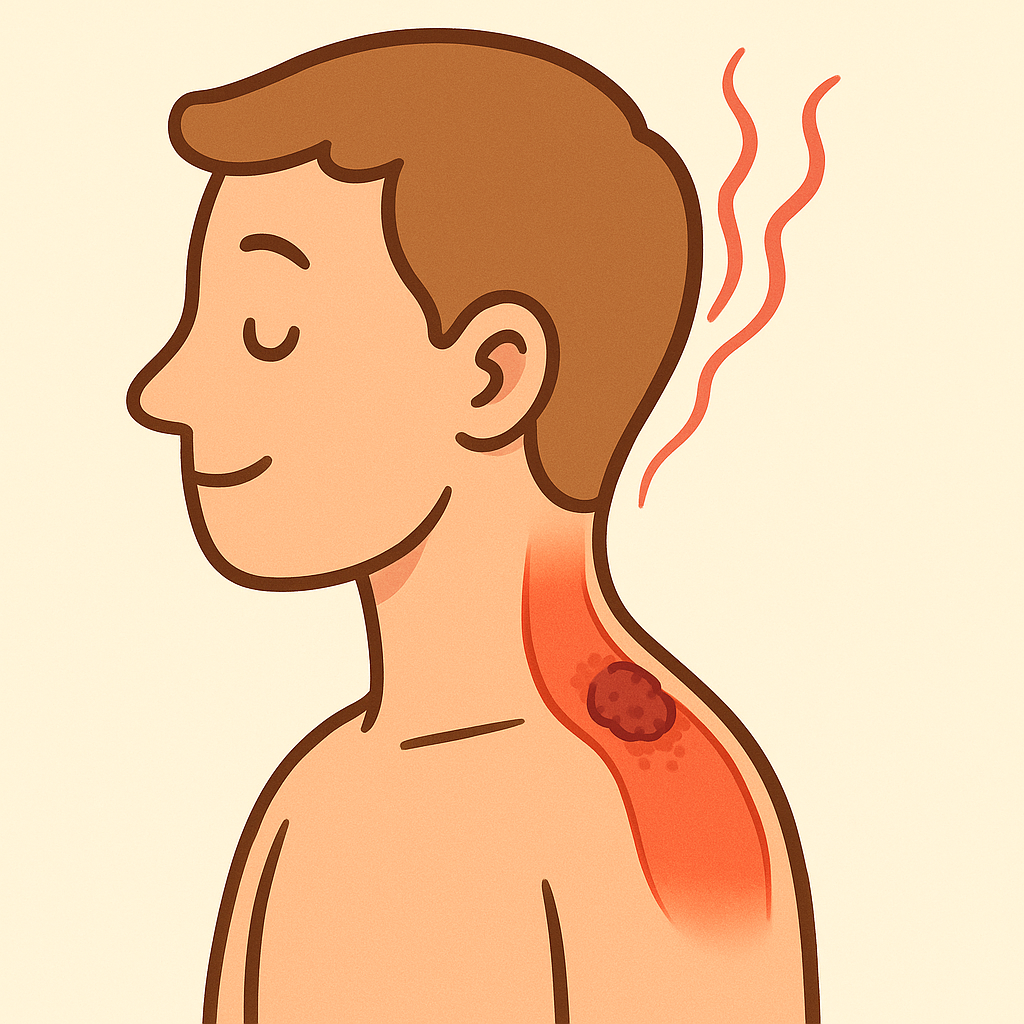
This article breaks down what the latest scientific research says about how these muscle knots form, why they cause pain to spread, and which treatments actually work to relieve them.
What Are Trigger Points and How Do They Work?
To understand the research, we first need to define what scientists are actually studying when they look at muscle knots.
- Myofascial trigger point (my-oh-FASH-ul TRIG-er poynt) – a highly sensitive, hyperirritable spot located within a tight band of skeletal muscle.
- Referred pain (ri-FURD payn) – pain that is felt in a part of the body other than its actual source.
Trigger points come in two main types. An active trigger point causes spontaneous pain and actively refers pain to other areas, even when you are resting. A latent trigger point only hurts when you press directly on it. While latent points do not cause constant pain, they can still restrict your range of motion and cause muscle stiffness.
The “Energy Crisis” in Your Muscles
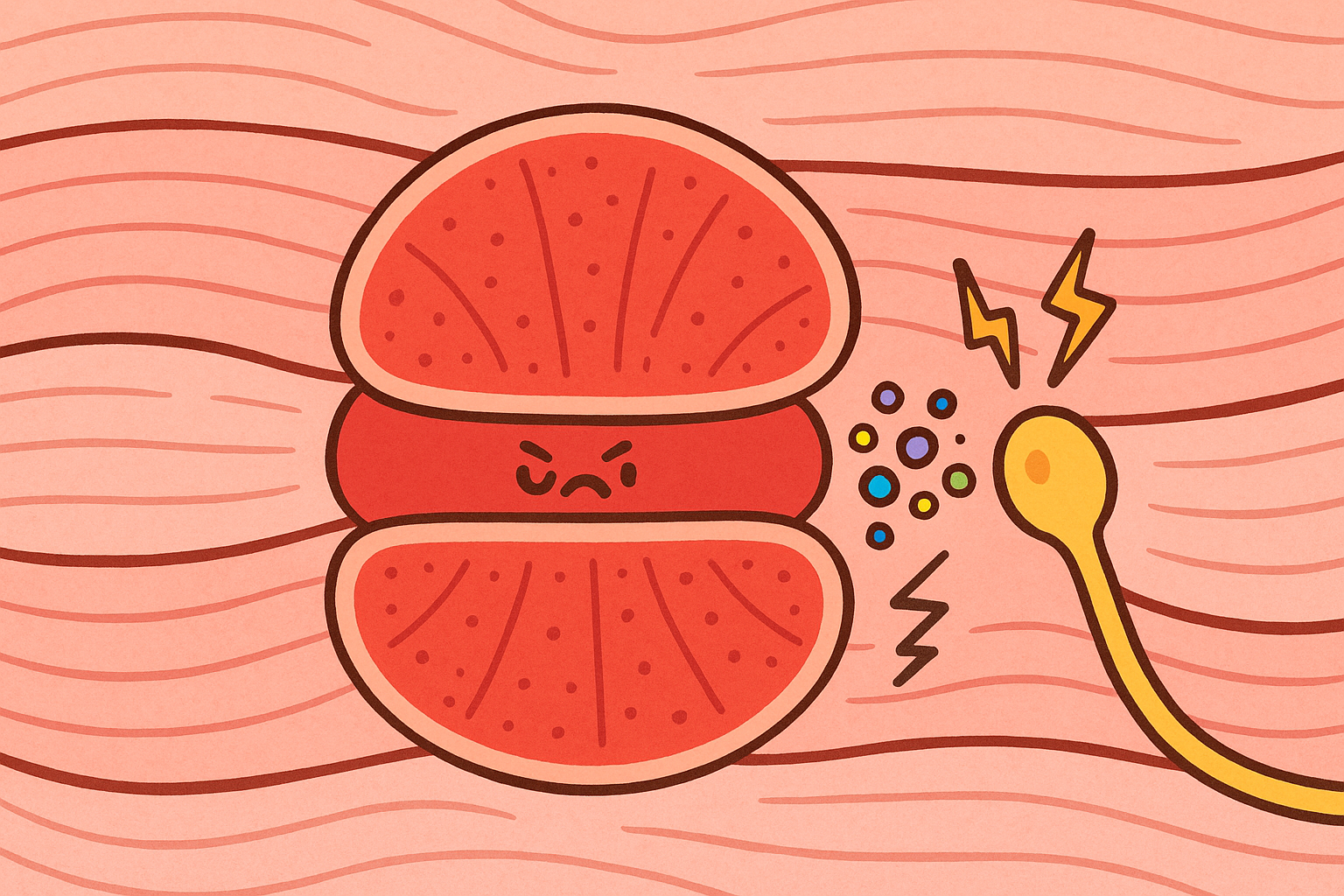
How does a normal muscle turn into a trigger point? The most widely accepted scientific explanation is called the integrated hypothesis. When a muscle is overworked from poor posture, repetitive motions, or acute injury, the muscle fibers can become stuck in a contracted state.
This constant contraction pinches off the local blood supply, creating a localized lack of oxygen. The muscle then builds up metabolic waste products, which irritates the local nerve endings. This creates a vicious cycle: the pain causes the muscle to tense up further, which cuts off more blood flow, leading to more pain.
A 2023 study using ultrasound technology physically observed these changes. Researchers found that people with chronic neck pain had visible dark spots on their ultrasound scans corresponding to trigger points, along with reduced muscle thickness, confirming that these “knots” represent actual physical changes in the muscle tissue.
How Neck Trigger Points Cause Headaches
One of the most fascinating findings in musculoskeletal research is the strong connection between neck trigger points and headaches.
A 2007 review in Current Pain and Headache Reports mapped out how trigger points in the upper trapezius (the large muscle spanning your neck and shoulders) and suboccipital muscles (the small muscles at the base of your skull) refer pain directly into the head.
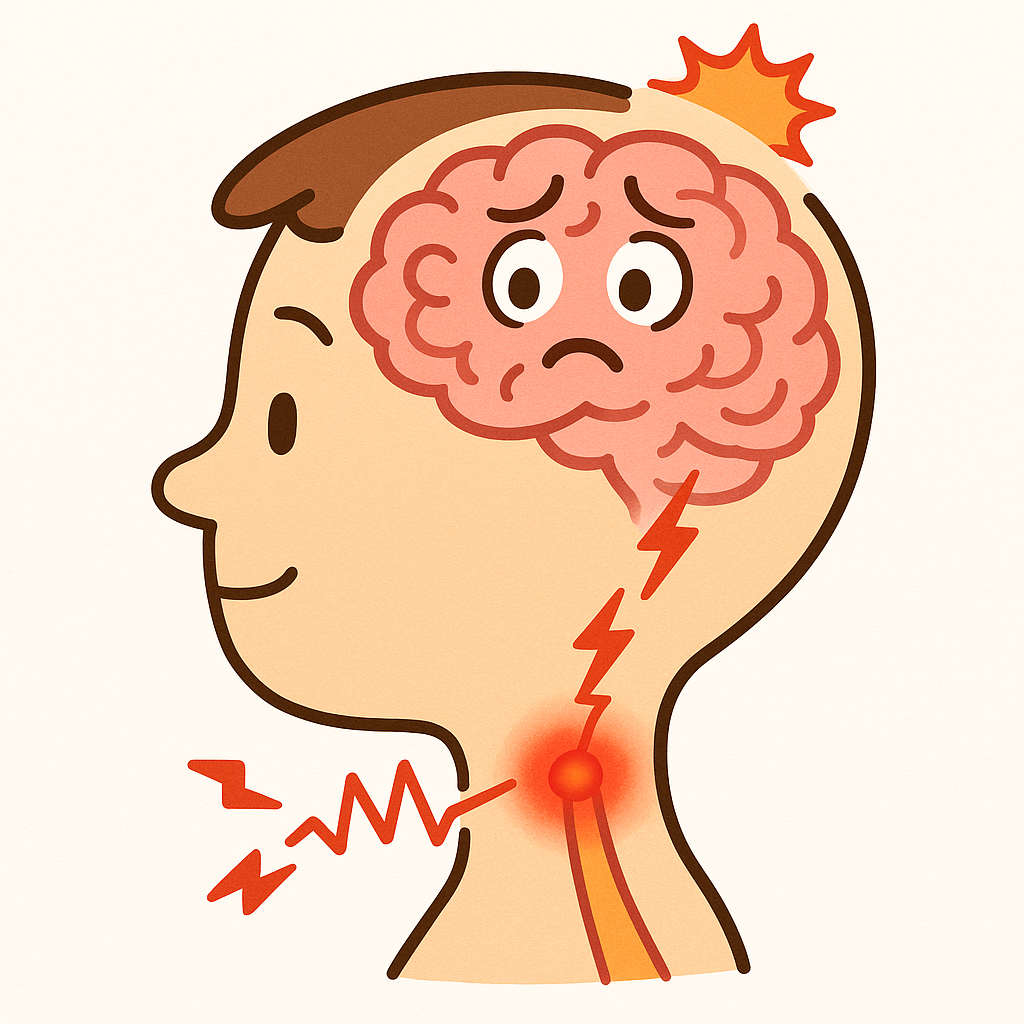
This happens because of a phenomenon called central sensitization (SEN-trul sen-sih-tih-ZAY-shun) – a condition where the central nervous system becomes highly reactive to pain. When trigger points constantly send pain signals to the brainstem, the nervous system becomes overloaded. The brain begins to misinterpret where the pain is coming from, often feeling it as a tension headache or even triggering a migraine.
A 2023 position paper in Musculoskeletal Science & Practice confirmed that people with tension-type headaches consistently exhibit forward head posture, limited neck mobility, and active trigger points in their neck. When researchers manually pressed on these neck trigger points, it exactly reproduced the patients’ typical headache pain.
What the Research Shows About Treatment
Because trigger points are physical abnormalities in the muscle, they rarely go away with simple rest. Scientists have tested several methods to manually break the cycle of muscle contraction and restore normal blood flow.
1. Manual Therapy and Ischemic Compression
One of the most common treatments is applying sustained, direct pressure to the knot, a technique known as ischemic compression. The goal is to temporarily cut off blood flow to the spot so that when the pressure is released, a rush of fresh blood floods the area, clearing out waste products.
A 2025 pilot study in BMC Musculoskeletal Disorders tested this on women suffering from migraines. After seven sessions of ischemic compression targeting the neck and shoulders, patients saw significant improvements in their neck range of motion and a notable decrease in the intensity, frequency, and duration of their migraines.
2. Dry Needling
Dry needling involves inserting a very thin, solid needle directly into the trigger point. The goal is to provoke a “local twitch response,” which helps the muscle fibers finally relax and resets the nerve endings.
Multiple studies support its effectiveness. A 2022 randomized clinical trial found that deep dry needling applied to active trigger points in the upper trapezius significantly reduced neck pain and disability. Furthermore, a 2020 meta-analysis in the Journal of Clinical Medicine reviewing 28 trials concluded that dry needling is highly effective for short-term pain relief and improving pain-related disability compared to a placebo.
Related: How to Relieve Neck Pain With Exercise: What Science Shows
3. Trigger Point Injections (Wet Needling)
Instead of a dry needle, doctors sometimes inject a substance directly into the muscle. This is known as “wet needling” or a trigger point injection.
A 2022 systematic review in Interventional Pain Medicine looked at various injectates, including local anesthetics, saline (saltwater), and Botox. Interestingly, the review found mixed results regarding which substance is best. Some studies showed Botox provided longer-term relief, while others found no significant difference between injecting an anesthetic versus injecting sterile water. The physical action of the needle disrupting the knot appears to be a major part of the relief.
However, a 2022 study comparing dry needling to wet needling found that trigger point injections offered slightly superior short-term pain relief compared to dry needling alone.
4. Local Heat Therapy
For those seeking a non-invasive option, targeted heat therapy shows promise. A 2020 study in the Journal of Back and Musculoskeletal Rehabilitation tested the application of single-cell heat patches directly over trigger points for four hours. The researchers found that the heat group experienced a significant decrease in subjective pain and an increase in the amount of pressure they could tolerate before feeling pain, outperforming the placebo group.
Treatment Comparison Table
Here is a quick breakdown of how the primary treatments compare based on current research:
| Treatment | How It Works | Evidence Strength | Best For |
|---|---|---|---|
| Dry Needling | Thin needle inserted to twitch and relax the muscle | Strong | Fast, short-term relief of severe knots |
| Trigger Point Injections | Needle delivers anesthetic or saline into the knot | Moderate to Strong | Patients needing immediate, slightly superior short-term relief |
| Ischemic Compression | Sustained manual pressure to restore blood flow | Strong | Those preferring non-invasive, hands-on therapy |
| Local Heat Therapy | Sustained heat patch applied directly to the spot | Moderate | Accessible, at-home pain management |
Common Misunderstandings
Myth: Neck pain radiating down the arm is always a pinched nerve.
While a herniated disc or pinched nerve (cervical radiculopathy) can cause pain to shoot down the arm, trigger points can actually mimic this exact sensation. A 2022 paper in Muscle & Nerve highlighted that referred pain from trigger points in the neck and shoulder can closely imitate nerve pain, leading to misdiagnoses.
Myth: Trigger points and acupuncture points are completely unrelated.
While they stem from different medical traditions, there is a surprising physical overlap. A classic 1977 study published in Pain compared maps of myofascial trigger points with traditional acupuncture points for pain relief. The researchers found a remarkable 71% correspondence between the two, suggesting that both systems may be targeting the same underlying neural mechanisms.
Related: Does Acupuncture Help Arthritis? What the Latest Science Shows
The Bottom Line
Scientific research confirms that trigger points are real, physical phenomena that play a massive role in neck pain, tension headaches, and migraines.
We know with high confidence that intervening directly at the site of the trigger point whether through manual pressure, dry needling, injections, or targeted heat can break the cycle of muscle tension and provide significant relief.
However, while these treatments are excellent at temporarily “turning off” the trigger point, they do not necessarily fix the underlying cause. Long-term relief usually requires addressing the postural habits, workplace ergonomics, or muscular imbalances that caused the muscle to become overworked in the first place.
Quick Reference: Key Studies
| Study Focus | Key Finding | Source |
|---|---|---|
| Migraines & Compression | Ischemic compression of neck trigger points increased mobility and reduced migraine frequency. | PMID 39893364 |
| Dry Needling vs. Injections | Trigger point injections provided slightly superior short-term pain relief compared to dry needling. | PMID 34114639 |
| Headaches & Neck Pain | Tension headaches can be heavily driven by referred pain from neck trigger points. | PMID 37268552 |
| Heat Therapy | Applying localized heat patches to trigger points significantly reduced neck pain. | PMID 31594202 |
| Ultrasound Detection | Trigger points appear as visible dark spots on ultrasound and correlate with pain severity. | PMID 36989071 |
| Acupuncture Overlap | There is a 71% spatial correspondence between trigger points and traditional acupuncture points. | PMID 69288 |
Last updated: October 2026
This article synthesizes findings from peer-reviewed research. It is for educational purposes only and does not constitute medical advice. Consult a healthcare provider before starting any new regimen.

Leave a Reply