
Humans have used cold temperatures to treat pain and injury for thousands of years. Ancient Greek physicians recommended cold water to soothe fatigue, and Napoleon’s surgeons used snow to numb injured soldiers. Today, cold therapy has evolved into a multi-million dollar industry. Athletes soak in high-tech ice baths, cosmetic doctors use cold to freeze away fat, and physical therapists prescribe ice packs for knee surgery recovery.
But with so many different uses, it is easy to wonder what actually works. Does an ice bath truly speed up muscle recovery? Can freezing temperatures really help you heal from surgery faster?
This article breaks down the science of cryotherapy (KRY-oh-thair-uh-pee), which simply means “cold therapy.” We will look at what peer-reviewed research actually shows about using cold for sports recovery, post-surgery healing, skin conditions, and even cancer care.
How This Might Work: The Biology of Cold
To understand why doctors and athletes use cold therapy, it helps to understand what happens inside your body when your skin temperature drops.
When you apply ice or step into a cold plunge, your body reacts instantly to protect your core temperature. It does this through two main biological mechanisms:
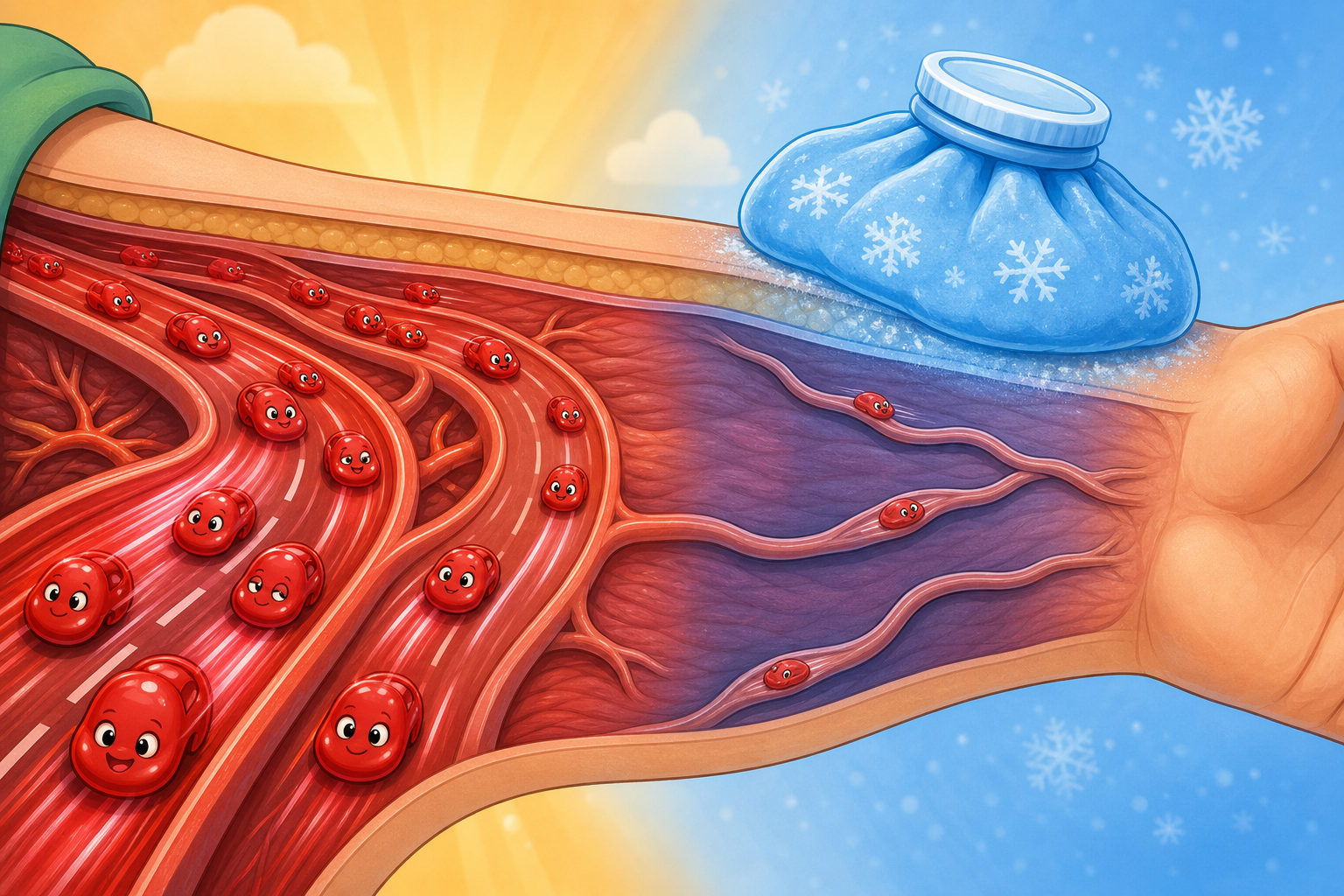
- Vasoconstriction (VAS-oh-kon-strik-shun): This is when your blood vessels narrow. Think of your blood vessels like a multi-lane highway. When you apply cold, the highway shrinks to a single lane. This reduces the amount of blood flowing to the area, which limits swelling and inflammation.
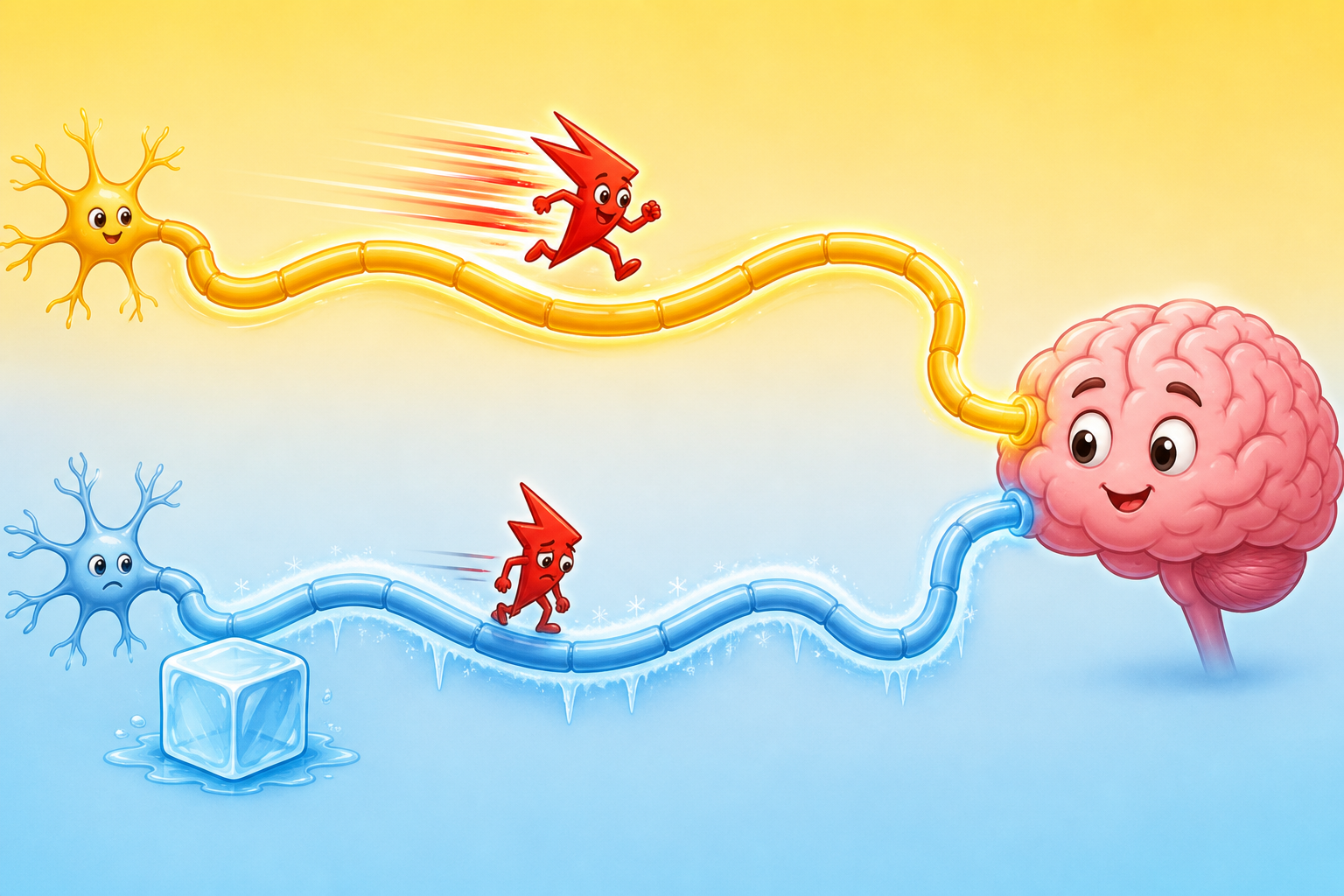
- Analgesia (an-al-JEE-zee-uh): This is the medical term for pain relief. Cold temperatures physically slow down the speed at which your nerves can send signals to your brain.
A 2021 study in the European Journal of Applied Physiology demonstrated this nerve effect perfectly. Researchers found that cooling the skin around the ankle to 10 degrees Celsius (50 degrees Fahrenheit) significantly reduced nerve conduction velocity. By slowing down the nerves, the cold effectively acts like a temporary, natural numbing agent.
Does Cryotherapy Help With Exercise Recovery?
One of the most popular uses for cryotherapy is sports recovery. From weekend warriors to professional athletes, many people swear by cold water immersion (ice baths) or whole-body cryotherapy chambers to soothe sore muscles.
Research generally supports the idea that cold therapy helps reduce the feeling of muscle soreness. A 2021 review in Current Sports Medicine Reports found that cold water immersion and partial-body cryotherapy can improve how athletes feel after intense exercise, helping them return to peak performance faster.
However, there is a fascinating catch to this benefit.
The Muscle Growth Paradox
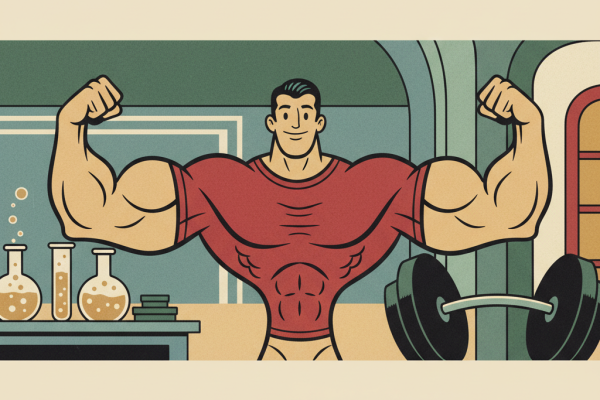
While cold therapy is great for reducing pain, it might actually work against you if your goal is to build bigger muscles.
A 2022 historical review in the European Journal of Applied Physiology highlights a well-documented paradox in sports science. When you lift heavy weights, your body relies on a temporary wave of inflammation to signal your muscles to grow back bigger and stronger. Because cold therapy reduces blood flow and blunts this natural inflammation, taking an ice bath immediately after lifting weights can actually slow down muscle growth over time.
For endurance athletes like marathon runners, this is not a problem. But for bodybuilders or those looking to increase muscle mass, skipping the post-workout ice bath might be the better choice. Related: The Science of Weight Training: How Resistance Exercise Changes Your Body
What the Research Shows About Surgery Recovery
If you have ever had a joint replaced or a ligament repaired, you were likely told to ice the area constantly. Total knee replacement surgery is one of the most common procedures where cryotherapy is heavily prescribed.
Interestingly, the scientific evidence for post-surgery ice is highly debated among researchers. The core tension is this: patients report that ice feels good, but clinical measurements do not always show massive improvements in physical healing.
The Benefits of Ice After Surgery
A 2023 systematic review in The Journal of Arthroplasty looked at patients recovering from knee replacements. The researchers found a very important benefit. Patients who used cryotherapy required significantly fewer opioid pain medications during their first week of recovery compared to those who did not use cold therapy. Given the risks associated with opioid medications, this is a highly valuable benefit.
Furthermore, the way the cold is applied seems to matter. A 2024 randomized controlled trial compared standard ice packs to “compressive cryotherapy” (machines that pump cold water while squeezing the leg). The study found that adding dynamic compression to the cold provided significantly faster improvements in knee bending, reduced swelling, and lowered pain during activity.
Where The Science Is Still Uncertain
Despite these positive findings, several large reviews suggest we should keep our expectations realistic.
A massive 2023 Cochrane Database review analyzed 22 trials involving over 1,800 patients recovering from knee replacements. The researchers found that while cryotherapy did reduce blood loss and lower pain scores slightly at the 48-hour mark, the actual physical benefits were quite small.
Similarly, a 2026 meta-analysis in the British Journal of Sports Medicine concluded that while cryotherapy offers minor benefits for pain and range of motion, the effects are often so small that they might not be clinically meaningful for long-term recovery.
In short, ice will likely make you feel better and help you take fewer painkillers in the days immediately following surgery, but it will not magically heal your tissues faster.
Cryotherapy in Dermatology: Skin and Fat
Beyond muscles and joints, doctors frequently use extreme cold to treat skin conditions. In dermatology, the goal is not to reduce inflammation. Instead, the goal is to safely destroy unwanted tissue through a process called apoptosis (ay-pop-TOE-sis), which means programmed cell death.
Warts and Sun Spots
Liquid nitrogen is commonly used to freeze off warts and precancerous sun spots known as actinic keratosis. A 2020 review in the International Journal of Dermatology confirms that cryotherapy is a standard, highly effective treatment for clearing these lesions.
However, it is not the only option. A Cochrane review of topical treatments for warts found that while freezing warts is effective, it is not necessarily more effective than simply using over-the-counter salicylic acid over a longer period. Freezing is faster, but it carries a higher risk of temporary pain and blistering.
Fat Freezing (Cryolipolysis)
In recent years, a cosmetic procedure called cryolipolysis (often known by the brand name CoolSculpting) has become incredibly popular.
According to a 2023 review in the Journal of Cosmetic Dermatology, this technique works because fat cells are much more sensitive to cold temperatures than normal skin cells. When a specific area of the body is exposed to targeted cold, the fat cells are damaged and undergo apoptosis. Over the next few weeks, the body’s immune system naturally clears away the dead fat cells. The research shows this is a safe, non-surgical way to reduce localized pockets of fat, though it is not a weight-loss treatment for obesity.
An Unexpected Benefit: Cancer Care
One of the most profound and simple uses of cryotherapy is found in cancer treatment wards.
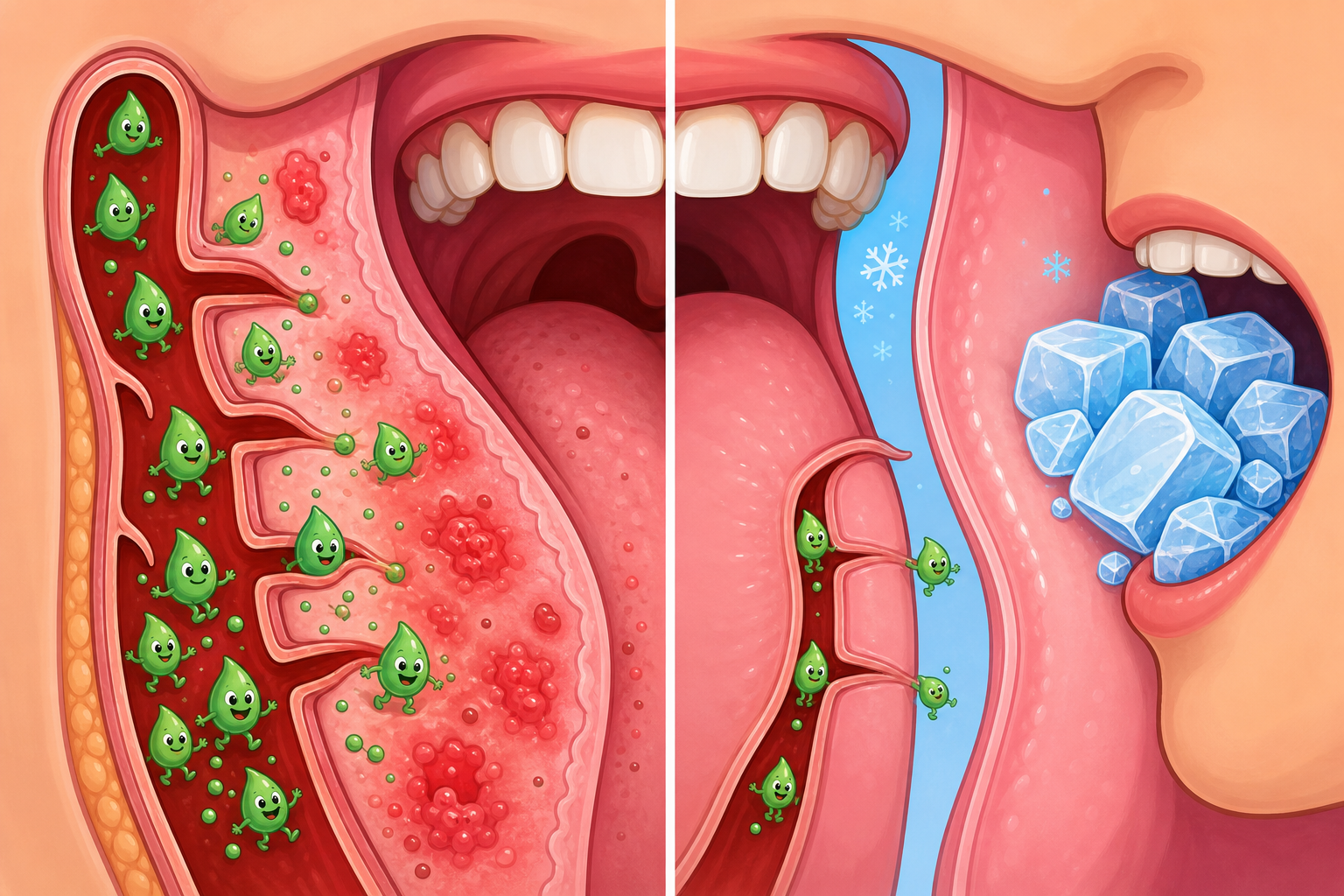
Patients undergoing certain types of chemotherapy often develop severe, painful sores in their mouths and digestive tracts. This condition is called mucositis (myoo-koh-SY-tis), and it can make eating and drinking nearly impossible.
Research shows that cold therapy can help prevent this. A review in the Clinical Journal of Oncology Nursing and a study in Oral Diseases detail how having patients suck on ice chips during their chemotherapy infusions provides massive relief.
The ice causes vasoconstriction in the mouth, shrinking the local blood vessels. Because the blood vessels are temporarily narrowed, less of the toxic chemotherapy drug can reach the delicate tissues of the mouth. It is a highly effective, practically free intervention that significantly improves the quality of life for cancer patients.
Common Questions About Cryotherapy
Is whole-body cryotherapy better than an ice bath?
Currently, there is no strong evidence showing that standing in a freezing air chamber (whole-body cryotherapy) is vastly superior to sitting in a tub of cold water. Both methods reduce perceived muscle soreness, but cold water is often cheaper and more accessible.
How long should I apply ice to an injury?
Most medical guidelines suggest applying ice for 15 to 20 minutes at a time. Leaving ice on the skin for too long can cause tissue damage or even mild frostbite.
Can anyone use cryotherapy?
Most people can safely use cold therapy, but people with specific conditions need to be careful. Individuals with poor circulation, nerve damage (neuropathy), or conditions like Raynaud’s disease (where fingers and toes turn white and painful in the cold) should avoid extreme cold therapy.
The Bottom Line
The scientific consensus on cryotherapy is that it is a powerful tool for managing symptoms, but it is not a miracle cure for cellular healing.
- What we know: Cryotherapy is highly effective at temporarily numbing pain, reducing post-surgery opioid use, preventing chemotherapy mouth sores, and destroying unwanted skin and fat cells.
- What is uncertain: It remains unclear if ice actually speeds up the physical healing timeline of torn ligaments or surgical incisions.
- Who should be cautious: Athletes trying to build muscle mass may want to avoid cold plunges immediately after weight training, as it can blunt muscle growth.
Ultimately, whether you are sucking on ice chips, strapping a cold pack to a swollen knee, or stepping into a high-tech freezing chamber, cold therapy remains one of our most reliable, accessible ways to manage pain and inflammation.
Quick Reference: Key Studies
| Study Focus | Key Finding | Source |
|---|---|---|
| Post-Surgery Opioid Use | Cryotherapy significantly decreased opioid consumption during the first week after knee replacement surgery. | PMID 36496048 |
| Compressive Cryotherapy | Adding mechanical compression to cold therapy improved knee range of motion and reduced swelling better than standard ice packs. | PMID 38419032 |
| Surgery Recovery Impact | Ice provides small benefits for pain and blood loss after knee surgery, but the long-term physical healing benefits may not be clinically significant. | PMID 37706609 |
| Fat Freezing (Cryolipolysis) | Targeted cold exposure safely destroys fat cells without harming surrounding skin, leading to localized fat reduction. | PMID 37988716 |
| Pain and Nerve Signals | Cooling the skin to 10 degrees Celsius significantly slows down nerve conduction velocity, providing a natural numbing effect. | PMID 33877402 |
| Cancer Care (Mucositis) | Sucking on ice chips during chemotherapy reduces blood flow to the mouth, significantly preventing painful oral sores. | PMID 27668364 |
Last updated: July 2026
This article synthesizes findings from peer-reviewed research. It is for educational purposes only and does not constitute medical advice. Consult a healthcare provider before starting any new regimen.

Leave a Reply