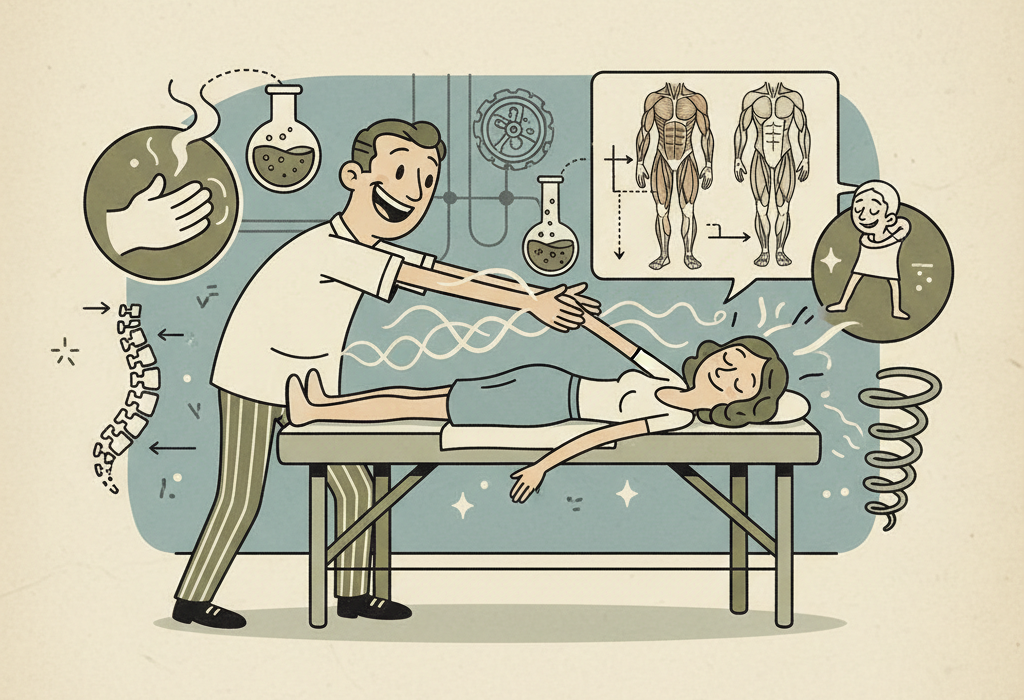
When your muscles feel tight or achy, your first instinct is probably to stretch them out or rub the sore spot. For decades, athletes, physical therapists, and everyday people have used massage and stretching to relieve pain and speed up recovery. But what happens when you combine them?
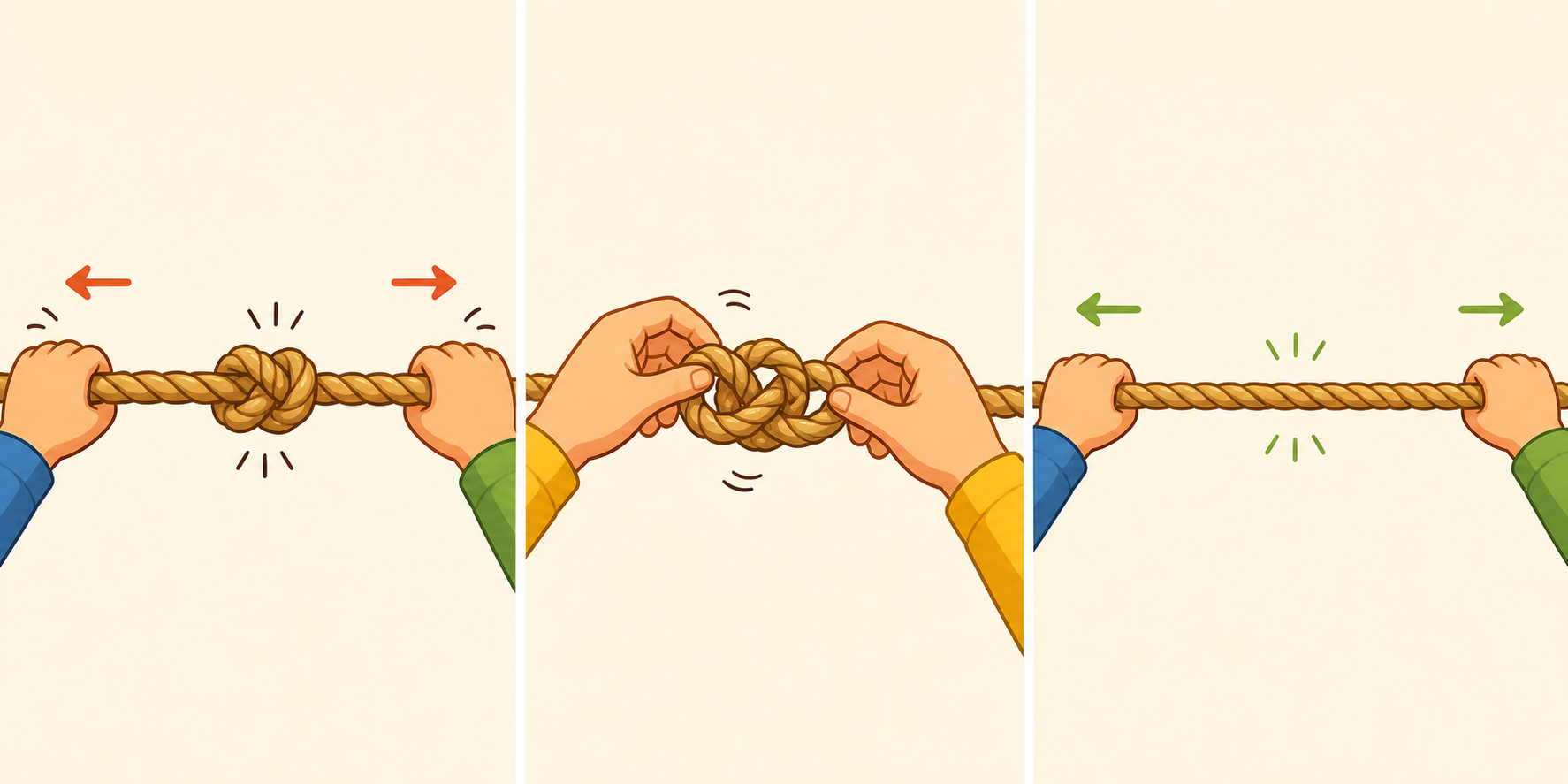
Think of a tight muscle like a knotted rope. If you only stretch the rope by pulling both ends, you might just pull the knot tighter. If you only massage the rope, you might loosen the knot, but the rope remains clumped up. Doing both, loosening the knot with massage and then gently lengthening the rope with stretching, seems like the perfect solution.
However, science reveals a surprising core tension in this topic. While combining massage and stretching is highly effective for treating chronic pain, rehabilitating injuries, and even preparing the body for childbirth, the research shows it might not be the magic cure for post-workout muscle soreness that many of us believe it is.
Here is what the latest peer-reviewed research actually says about combining massage and stretching, where it works best, and where it falls short.
How This Might Work: The Science of Your Connective Tissue
To understand why combining these two therapies works for certain conditions, we have to look at the tissue that holds our bodies together.
Fascia (FASH-uh) is the thin, tough casing of connective tissue that surrounds and holds every organ, blood vessel, bone, nerve fiber, and muscle in place. When you experience physical trauma, repetitive stress, or poor posture, this fascia can become stiff and tight, restricting movement and causing pain.
When physical therapists combine massage and stretching, they are often performing a technique known as Myofascial release (my-oh-FASH-ee-al ree-LEES). This is a hands-on treatment where a therapist applies sustained pressure (like massage) into tight connective tissue while gently pulling or elongating it (like stretching).
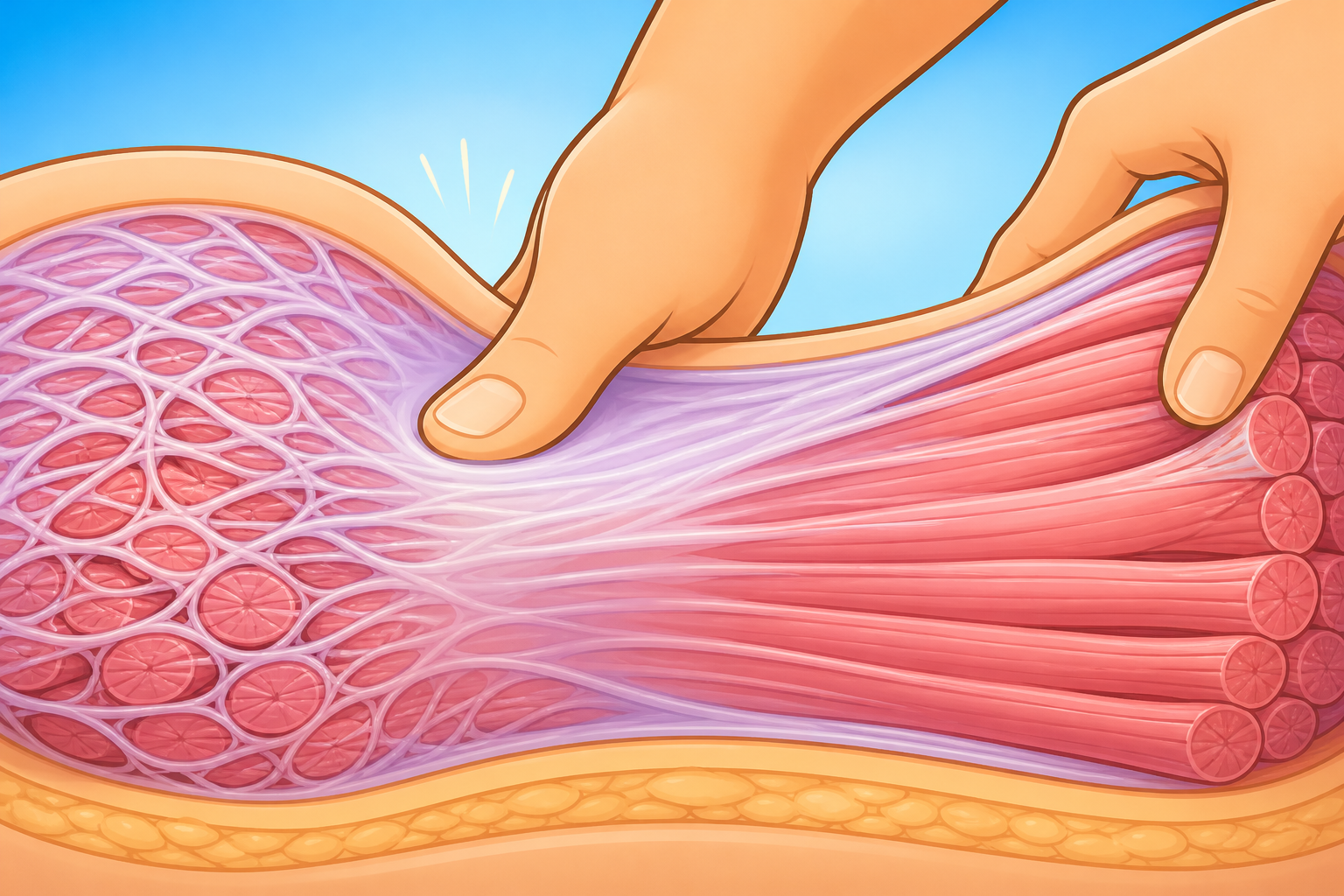
According to a systematic review in the Journal of Bodywork and Movement Therapies, applying this low-load, long-duration stretch to the myofascial complex helps restore optimal length, decreases pain, and improves physical function. The mechanical pressure of the massage physically warms and softens the tissue, while the stretching helps realign the muscle fibers and connective tissue into their proper, relaxed positions.
What the Research Shows: Chronic Pain and Rehabilitation
When it comes to clinical rehabilitation and chronic pain, combining massage and stretching shines. Research consistently shows that using both therapies together yields better results than using either one alone.
Relief for Chronic Low Back Pain
Low back pain is the leading cause of disability worldwide. Standard physical therapy usually involves exercise and stretching to strengthen the core and improve flexibility. However, adding massage-like manual therapy provides a significant boost.
A 2025 review in the Journal of Bodywork and Movement Therapies analyzed ten randomized controlled trials looking at patients who had suffered from back pain for more than three months. The researchers found that adding manual therapy, such as soft tissue mobilization and massage, to standard exercise and stretching provided greater improvements in short-term pain relief and physical function than exercise alone.
By physically working out the tension in the lower back muscles before or after stretching the paraspinal muscles, patients experienced less disability and more freedom of movement.
Treating Foot and Leg Pain
Plantar fasciitis is a common, painful condition caused by irritation of the thick band of tissue running across the bottom of your foot. It often causes stabbing pain with your first steps in the morning.
Medical guidelines, including research in American Family Physician, state that initial treatment should always start with stretching the plantar fascia and applying ice massage. But for stubborn cases, combining specific types of massage and stretching is highly effective.
A 2023 study in the European Review for Medical and Pharmacological Sciences looked at 69 patients with chronic plantar fasciitis. They found that combining deep friction massage and stretching with ultrasound and shock wave therapy significantly improved foot function and ankle flexibility.
Similarly, for conditions like Piriformis Syndrome (where a tight muscle in the buttocks compresses the sciatic nerve, causing shooting leg pain), combining therapies is key. A 2022 study in Cureus found that releasing the tight muscle with deep friction massage and myofascial release, followed by specific hip stretching, was highly effective at relieving pressure on the nerve and stopping the pain.
Women’s Health: Childbirth and Postoperative Care
One of the most well-documented and successful applications of combining massage and stretching is in women’s health, particularly regarding pregnancy, childbirth, and surgical recovery.
Preparing the Pelvic Floor for Childbirth
During vaginal childbirth, the perineum (the area between the vagina and anus) must stretch significantly. Tearing is incredibly common, affecting roughly 9 out of 10 women during their first delivery.
Research shows that mechanically preparing this tissue beforehand can reduce the risk of severe tearing. A 2024 study in the American Journal of Obstetrics and Gynecology notes that perineal massage, starting in the third trimester, increases muscle elasticity and allows the tissue to stretch more easily during birth.
Furthermore, a 2022 randomized controlled trial in Physical Therapy tested 96 pregnant women to see if combining therapies worked better. They found that combining perineal massage with instrument-assisted perineal stretching significantly increased the extensibility of the pelvic floor muscles better than using either technique alone.
Period Pain and Breast Cancer Recovery
Combining these therapies is also useful for other areas of women’s health. For primary dysmenorrhea (severe period cramps), a 2021 review in the International Journal of Environmental Research and Public Health found that combining abdominal massage therapy with stretching and isometric exercises provided significant pain relief.
For breast cancer survivors, surgery and radiation often leave painful, tight scar tissue in the chest and armpit area, restricting shoulder movement. A 2015 systematic review in the Archives of Physical Medicine and Rehabilitation found that multifactorial physical therapy, which includes manual stretching of the chest muscles alongside active exercises and massage, is effective at treating postoperative pain and restoring the shoulder’s range of motion.
Common Misunderstandings: Post-Workout Recovery
If massage and stretching are so great for rehab and chronic pain, they must be the ultimate combination for recovering from a tough workout, right? This is where the science diverges from popular belief.
After a hard or unfamiliar workout, you often experience Delayed Onset Muscle Soreness (DOMS). This is the deep, aching pain and stiffness that peaks 24 to 72 hours after exercise, caused by microscopic damage to the muscle fibers.
Athletes frequently stretch and foam roll (a form of self-massage) to prevent DOMS. However, research paints a very specific picture of what actually works for post-exercise recovery.
The Reality of Stretching for Soreness
Despite what many coaches teach, stretching does not prevent or cure muscle soreness. A 2021 review of randomized controlled trials in Frontiers in Physiology looked specifically at post-exercise stretching. The researchers concluded that stretching immediately after exercise had absolutely zero effect on preventing DOMS or recovering muscle strength compared to simply resting.
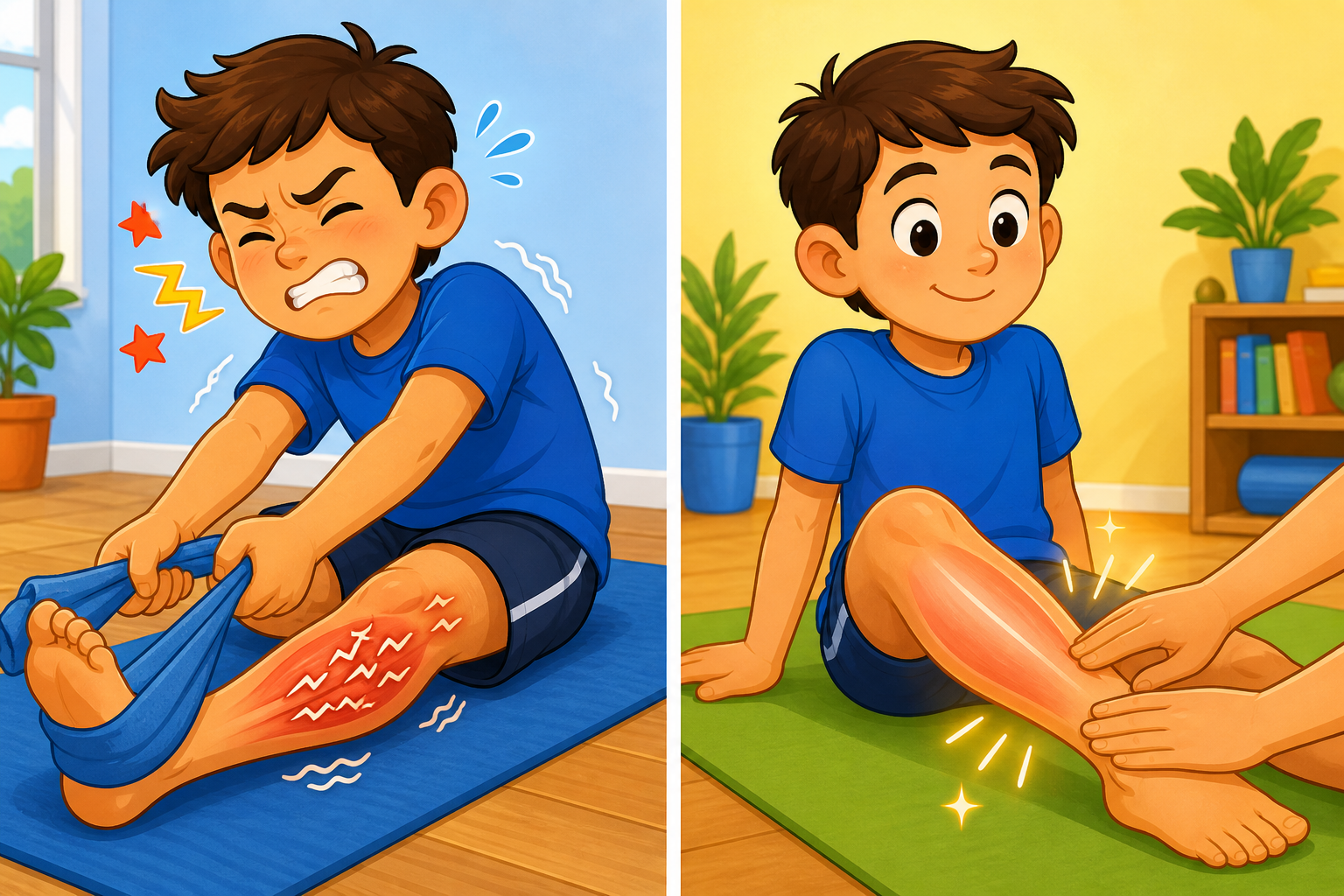
Earlier research in Sports Medicine confirms this, noting that stretching before or after exercise demonstrates no effect on alleviating muscle soreness. In fact, aggressive stretching of already damaged, sore muscles might actually cause further micro-tearing.
The Reality of Massage for Soreness
Massage, on the other hand, is highly effective for workout recovery. A massive 2018 review in Frontiers in Physiology analyzed 99 studies on various recovery techniques. They found that massage was the most powerful technique for recovering from DOMS and perceived fatigue.
Massage helps by increasing blood flow, reducing tissue swelling (edema), and potentially blunting the inflammatory signals that cause the sensation of pain. A 2013 review in Sports Medicine looking at soccer players also confirmed that massage effectively alleviates muscle soreness and improves the athlete’s perception of recovery.
Do They Work Better Together for Fitness?
If you combine them after a workout, does the stretching add any benefit to the massage? According to the 2018 review mentioned above, combining massage and stretching did lead to a significant decrease in perceived fatigue. However, the stretching component did not add any measurable biological benefit to muscle repair or inflammation reduction over massage alone.
In short, combining them might make you feel more relaxed mentally, but the massage is doing the heavy lifting for your muscle recovery, while the stretching is simply improving your flexibility.
Comparison: Massage vs. Stretching for Workout Recovery
| Recovery Metric | Massage Alone | Stretching Alone | Combined (Massage + Stretching) |
|---|---|---|---|
| Reduces DOMS | Highly Effective | No Effect | Highly Effective (Due to massage) |
| Improves Flexibility | Mildly Effective | Highly Effective | Highly Effective |
| Reduces Perceived Fatigue | Highly Effective | No Effect | Highly Effective |
| Repairs Muscle Damage | Mildly Effective | No Effect | Mildly Effective |
Common Questions About Massage and Stretching
Should I stretch before or after a massage?
Generally, it is beneficial to receive a massage first. Massage warms up the tissue, increases blood flow, and relaxes the nervous system, which makes the muscles more pliable and receptive to stretching afterward.
Can combining these therapies cure my sports injury?
While they cannot “cure” torn ligaments or broken bones, combining massage and stretching is a proven physical therapy method to manage pain, reduce scar tissue restriction, and restore a normal range of motion during the healing process.
Is foam rolling considered massage or stretching?
Foam rolling is a form of self-myofascial release. It primarily acts as a massage by applying mechanical pressure to the tissues, though the rolling motion can provide a mild stretching effect to the fascia.
The Bottom Line
Combining massage and stretching is a highly effective, evidence-based approach for treating clinical conditions involving tight connective tissue, chronic pain, and physical rehabilitation. It is particularly successful in treating lower back pain, plantar fasciitis, and preparing the pelvic floor for childbirth.
However, when it comes to recovering from a tough workout and preventing Delayed Onset Muscle Soreness, the combination is less magical. Science clearly shows that massage is the true hero for reducing muscle soreness and fatigue. While stretching is excellent for maintaining your range of motion, it does not prevent or cure workout soreness, even when paired with a massage.
Ultimately, utilizing both therapies together is safe, feels good, and keeps your muscles both pliable and relaxed. Just be sure to align your expectations with what the science actually supports.
Quick Reference: Key Studies
| Study Focus | Key Finding | Source |
|---|---|---|
| Chronic Low Back Pain | Adding manual therapy (massage) to exercise and stretching provides greater short-term pain relief and improved physical function. | PMID 40325660 |
| Workout Recovery (DOMS) | Massage is the most effective method for reducing DOMS and fatigue. Stretching shows no effect on DOMS. | PMID 29755363 |
| Post-Exercise Stretching | Post-exercise stretching has no significant effect on strength recovery or muscle soreness compared to passive rest. | PMID 34025459 |
| Childbirth Preparation | Combining perineal massage with instrument-assisted stretching significantly increases pelvic floor extensibility. | PMID 35258595 |
| Plantar Fasciitis | Combining deep friction massage, stretching, and shockwave therapy significantly improves foot function and ankle mobility. | PMID 37203806 |
| Myofascial Release | Combining pressure and stretching of the fascia relieves pain and improves function in various musculoskeletal conditions. | PMID 25603749 |
Last updated: November 2026
This article synthesizes findings from peer-reviewed research. It is for educational purposes only and does not constitute medical advice. Consult a healthcare provider before starting any new regimen.
Leave a Reply