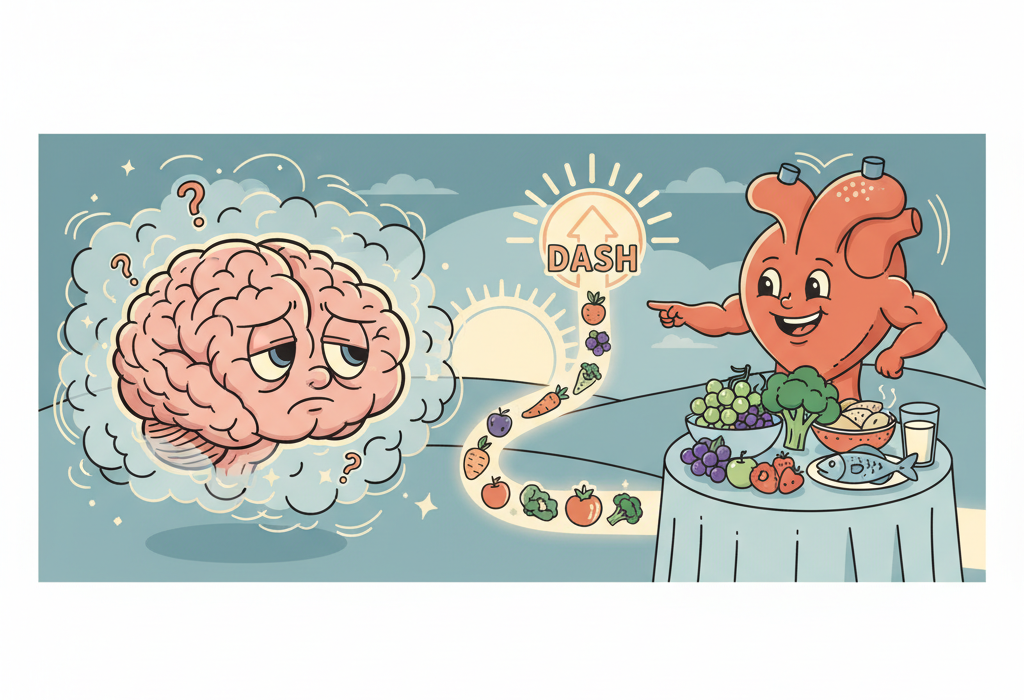
We have all experienced days where our thoughts feel sluggish, our focus drifts, and a general sense of mental fatigue takes over. This feeling is commonly called “brain fog.” While it is not an official medical diagnosis, brain fog is a very real collection of symptoms that includes poor concentration, memory slips, fatigue, and even low mood.

When looking for solutions to clear this mental cloudiness, many people turn to nutrition. The DASH diet, originally designed to lower blood pressure, is frequently discussed as a way to improve overall health. But does changing what you eat actually improve how your brain feels and functions on a daily basis?
Research suggests that dietary patterns incorporating DASH principles may help reduce specific symptoms that contribute to brain fog, such as severe fatigue and depression. However, the science also shows that diet is not a magic cure that eliminates all cognitive symptoms entirely.
To understand how food affects our mental clarity, we have to look closely at how scientists study the brain, diet, and complex neurological conditions.
What We Mean When We Talk About Brain Fog
Before diving into the research, it helps to understand what brain fog actually is. Because it is not a specific disease, scientists rarely study “brain fog” directly. Instead, they measure the individual symptoms that create that foggy feeling.
These symptoms usually include:
- Cognitive impairment (KOG-nih-tiv im-PAIR-ment) – difficulties with memory, thinking, or learning new things.
- Fatigue – a deep, persistent lack of physical or mental energy.
- Apathy – a lack of interest, enthusiasm, or motivation.
- Depression and Anxiety – mood changes that heavily influence how clearly we think.
- Daytime sleepiness – feeling unable to stay awake or alert during normal waking hours.
Related: Understanding Brain Fog and Age-Related Cognitive Decline
To see if diet can improve these symptoms, researchers often look at populations who experience them intensely. For example, people with Parkinson’s disease often experience severe “nonmotor” symptoms. While Parkinson’s is known for physical tremors, the nonmotor symptoms include fatigue, depression, apathy, and cognitive decline. By studying how diet affects these specific symptoms in a neurological condition, scientists can gather clues about how nutrition impacts brain function overall.
What the Research Shows About Diet and Mental Clarity
A 2023 study in the Journal of the American Nutrition Association explored whether specific dietary patterns could improve these very symptoms. The researchers looked at individuals with Parkinson’s disease to see if what they ate influenced their fatigue, depression, anxiety, sleep problems, and cognitive impairment.
Instead of just looking at the DASH diet alone, the researchers evaluated three specific ways of eating:
1. The MIND Diet: This stands for Mediterranean-DASH Diet Intervention for Neurodegenerative Delay. It is a hybrid diet that combines the blood-pressure-lowering principles of the DASH diet with the heart-healthy fats of the Mediterranean diet, specifically highlighting foods known to support brain health like berries and leafy greens.
2. The Dietary Inflammation Index (DII): A scoring system that measures how inflammatory a person’s diet is based on the nutrients they consume.
3. The Healthy Diet Indicator (HDI-2020): A measure of how closely a person follows global health guidelines for preventing chronic diseases.
The Findings: Specific Benefits, Not Total Cures
The researchers used surveys and clinical data to score the participants’ diets and compare them to their symptom severity.
The results were mixed, offering a realistic picture of what diet can and cannot do.
First, the researchers found that none of the three diets significantly predicted a decrease in the total overall symptom score. In other words, eating a brain-healthy diet did not completely wipe out the entire cluster of neurological symptoms.
However, when the researchers looked at individual symptoms, clear patterns emerged:
- Fatigue was reduced by general healthy eating: Participants who scored higher on the Healthy Diet Indicator experienced a significant decrease in fatigue scores.
- Depression improved with the MIND and Anti-Inflammatory diets: Participants who closely followed the MIND diet (which includes DASH principles) and those who ate a less inflammatory diet showed significant improvements in depression scores.
Because deep fatigue and low mood are two of the primary drivers of what we experience as brain fog, these findings suggest that improving diet quality can help lift some of the heaviest clouds affecting mental clarity.
Related: What Science Actually Says About the DASH Diet and Your Health
How These Diets Might Protect the Brain
Why would a diet designed for heart health or inflammation affect how tired or focused you feel? The exact mechanisms are still being studied, but scientists believe it comes down to a few biological processes.
Reducing Oxidative Stress and Inflammation
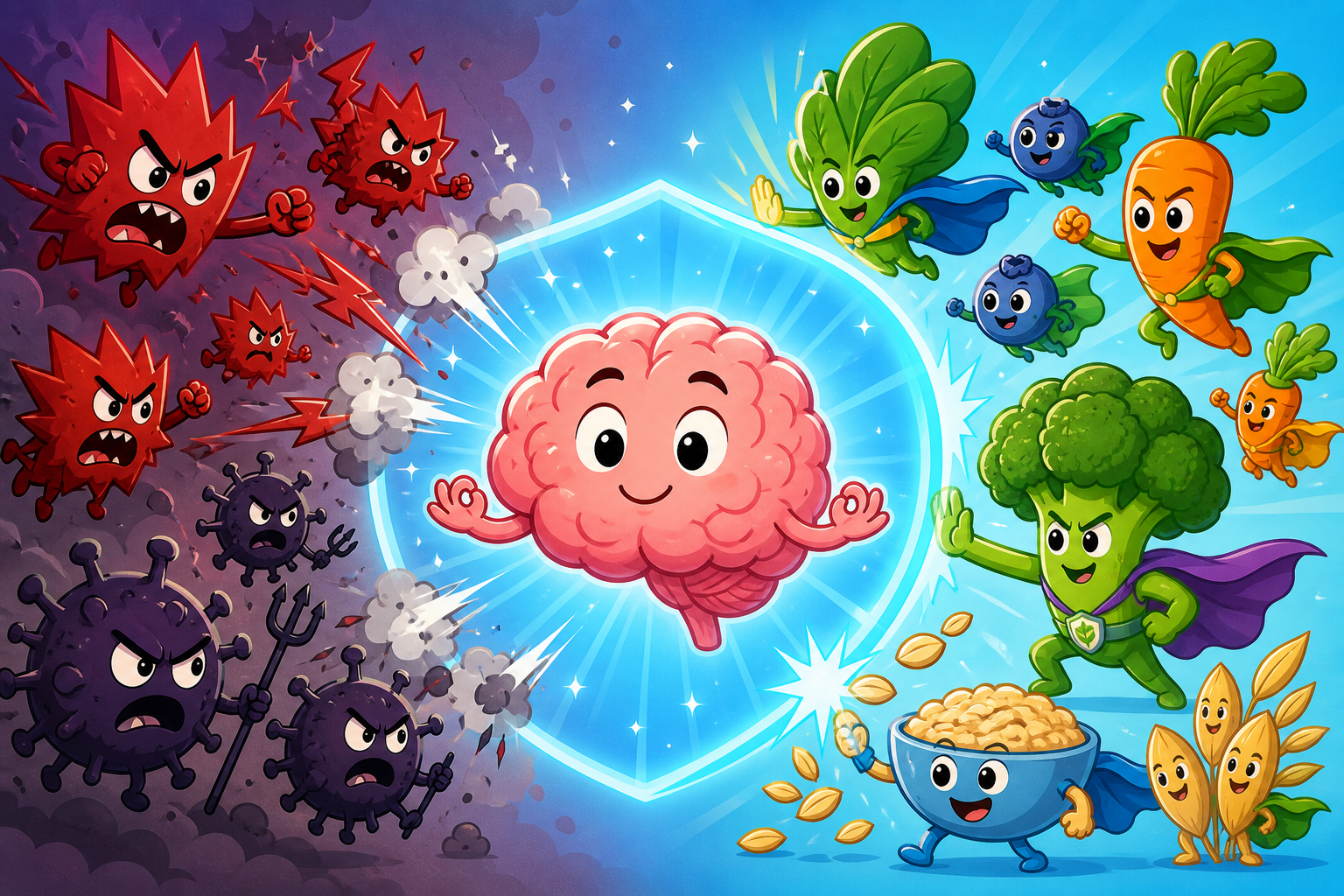
Neuroinflammation (NUR-oh-in-fluh-MAY-shun) happens when the immune system creates inflammation inside the brain or spinal cord. Over time, chronic inflammation can damage healthy brain cells and disrupt the signals that regulate mood and energy.
The DASH and MIND diets are rich in vegetables, fruits, and whole grains. These foods are packed with antioxidants, which help neutralize harmful molecules in the body. By reducing overall inflammation, these diets may create a healthier environment for brain cells to communicate, which could explain the improvements in depression scores seen in the research.
Related: How an Anti-Inflammatory Diet Actually Affects Your Body
Supporting Blood Flow
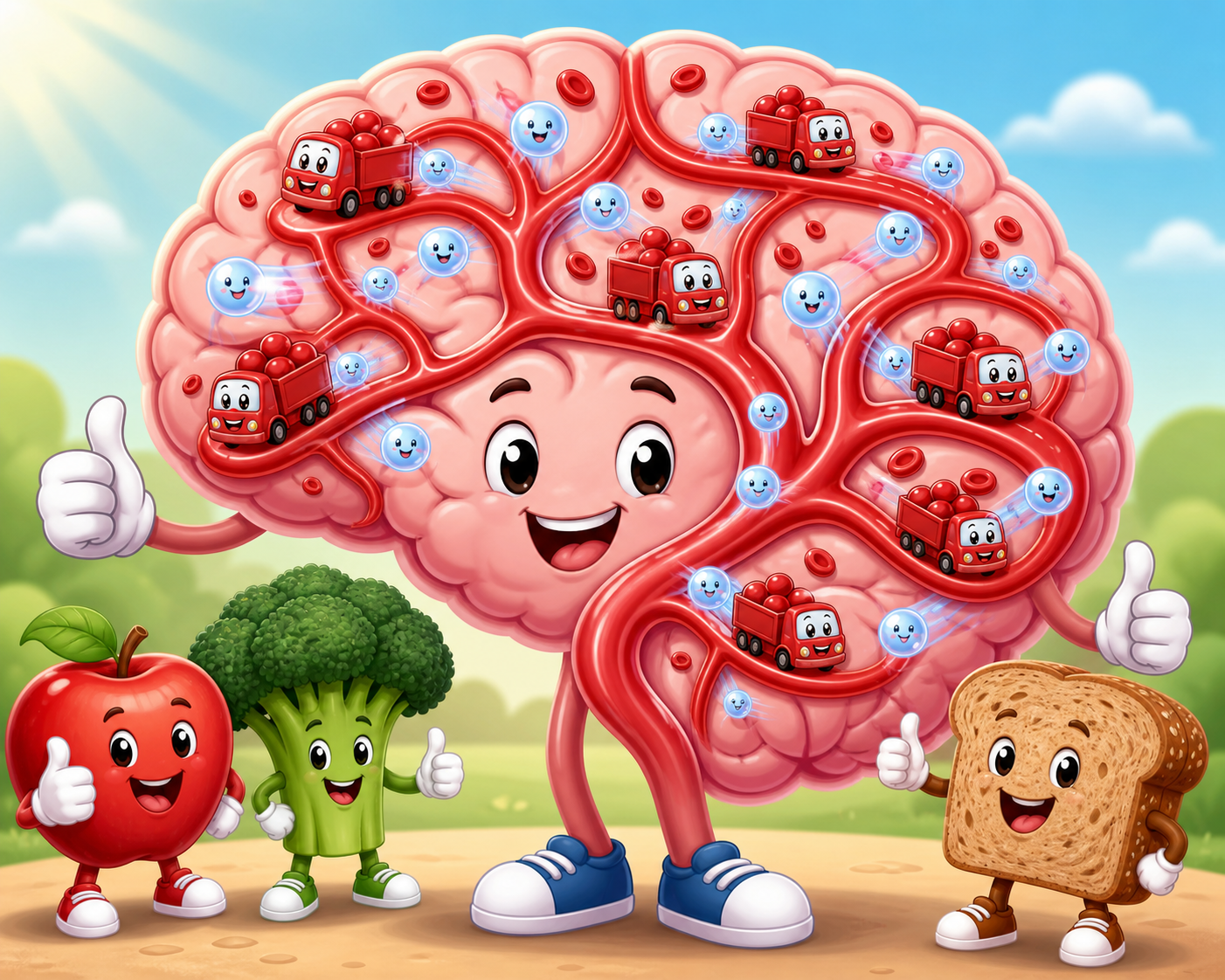
The brain requires a massive amount of energy to function. To get that energy, it relies on a steady flow of oxygen and nutrients delivered through blood vessels. The DASH diet was specifically created to lower blood pressure and keep blood vessels flexible and clear. When blood flows efficiently to the brain, it is easier to maintain focus and stave off mental fatigue.
Where the Science Is Still Uncertain
While the findings regarding fatigue and depression are encouraging, it is important to view this research with a critical eye.
Correlation vs. Causation
The 2023 study was a cross-sectional study (KROSS-sek-shun-al STUH-dee). This means the researchers took a “snapshot” of the participants at one specific point in time. Because of this design, the study can only prove a correlation (a relationship between two things), not causation (that one thing directly caused the other).
For example, the study shows that people who eat better have less depression. However, it is also highly possible that people who suffer from severe depression or fatigue simply lack the energy to prepare healthy meals. Scientists need long-term studies where they change a person’s diet and track their symptoms over time to prove that the food directly caused the improvement.
Specific Populations
This study specifically looked at people with Parkinson’s disease. While this is a helpful way to study neurological symptoms, the brains of people with Parkinson’s are undergoing specific physical changes. We cannot automatically assume that the exact same dietary benefits will apply to a healthy adult experiencing temporary brain fog from a busy week at work.
Practical Guidance: Eating for Mental Clarity
If you want to adopt the principles of the DASH and MIND diets to support your own mental energy, the research points toward a few consistent habits. You do not necessarily need to follow a strict scoring system to see benefits.
- Prioritize leafy greens: Spinach, kale, and collard greens are staples of the MIND diet.
- Choose berries over other sweets: Berries are rich in antioxidants and are specifically highlighted in brain-focused diets for their protective properties.
- Include whole grains: Oats, quinoa, and brown rice provide steady, slow-releasing energy that helps prevent the blood sugar crashes that often cause mid-afternoon brain fog.
- Limit saturated fats and added sugars: Both the DASH and MIND diets recommend reducing red meat, butter, cheese, and sweets, as these can contribute to inflammation and poor blood vessel health.
The Bottom Line
Brain fog is a complex experience often made up of fatigue, mood changes, and difficulty focusing.
According to recent research, dietary patterns that incorporate DASH principles, such as the MIND diet, may not completely cure all neurological symptoms. However, eating a nutrient-dense, anti-inflammatory diet is strongly linked to reduced fatigue and lower rates of depression.
Because fatigue and depression heavily influence our ability to think clearly, adopting a heart-and-brain-healthy diet is a logical, evidence-based step toward lifting the mental fog. While we still need more long-term studies to prove exact cause and effect, the side effects of eating more vegetables, berries, and whole grains are overwhelmingly positive for your entire body.
Quick Reference: Key Studies
| Study Focus | Key Finding | Source |
|---|---|---|
| Diet and nonmotor symptoms in Parkinson’s disease | The MIND diet and anti-inflammatory diets were linked to lower depression, while a general healthy diet was linked to reduced fatigue. Total symptom scores did not significantly change. | PMID 35512773 |
Last updated: September 2026
This article synthesizes findings from peer-reviewed research. It is for educational purposes only and does not constitute medical advice. Consult a healthcare provider before starting any new regimen.

Leave a Reply