
As we get older, our bodies often experience a slow, steady increase in inflammation. Scientists sometimes call this process “inflammaging.” This low-level inflammation is linked to many age-related conditions, from sore joints to heart issues. For a long time, researchers wondered what exactly causes this steady rise in inflammation.
Recently, they have pointed to a specific culprit: senescent cells. These are often called “zombie cells.” They are damaged cells that have stopped doing their normal jobs but refuse to die. Instead of leaving the body, they stick around and release chemicals that irritate the healthy cells around them.

This discovery led to a new area of research focused on senolytics (sen-oh-LIT-iks). These are compounds designed to find these zombie cells and clear them out of the body. The goal is to see if removing these damaged cells can lower inflammation and improve overall health.
In this article, we will look at what peer-reviewed research actually says about senolytics. We will explore how they work, what early human trials show, and why this science is still in its early stages.
Related: What Science Actually Says About Senolytics and Anti-Aging
How This Might Work: The Biology of Zombie Cells
To understand how senolytics work, it helps to understand the normal life cycle of a cell.
Most cells in your body divide to create new cells. However, they can only divide a certain number of times. When a cell becomes too old or gets damaged by stress, your body usually triggers a process called apoptosis (ay-pop-TOE-sis). This is a form of programmed cell death. It is how your body safely removes broken parts.
Sometimes, a damaged cell avoids this self-destruct signal. It stops dividing but stays alive. This is called cellular senescence (SELL-yoo-ler seh-NESS-ens).
The Apple in the Basket
You can think of a senescent cell like a single rotting apple in a basket. If you leave a rotting apple alone, it releases gases that cause the healthy apples nearby to rot faster.

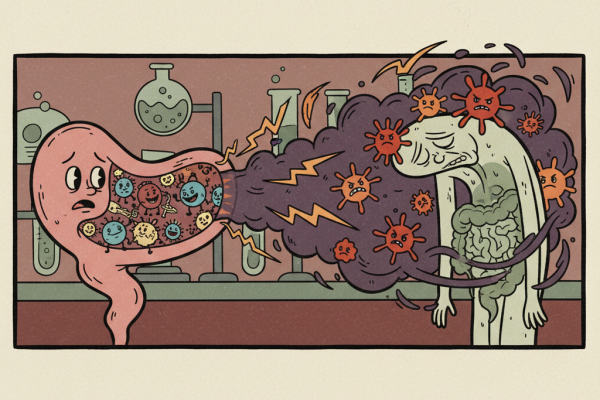
Senescent cells do something very similar. They leak a toxic mixture of inflammatory chemicals into the tissue around them. Scientists call this mixture the SASP, which stands for Senescence-Associated Secretory Phenotype (seh-NESS-ens uh-SO-see-ay-ted SEE-kruh-tor-ee FEN-oh-type).
The SASP includes proteins that signal the immune system to create inflammation. When you are young, your immune system easily clears these zombie cells away. But as you get older, your immune system naturally slows down. The zombie cells begin to build up in your tissues. As they accumulate, the SASP chemicals create a constant state of low-grade inflammation throughout the body.
Senolytics are substances that act as a signal to these zombie cells. They essentially tell the cells to finally undergo apoptosis and die. By removing the rotting apples, the goal is to stop the spread of inflammatory chemicals and give the surrounding tissue a chance to heal.

What the Research Shows: Key Studies on Senolytics
The study of senolytics is relatively new. The term was first used in a 2015 study published in Aging Cell. Since then, researchers have tested several different compounds to see if they can clear senescent cells and reduce inflammation.
Most of the current evidence comes from animal studies, but a few early human trials have provided important clues.
The Dasatinib and Quercetin Combination (D+Q)
The most heavily studied senolytic treatment is a combination of two compounds:
- Dasatinib (duh-SAT-ih-nib): A prescription medication normally used to treat certain types of leukemia.
- Quercetin (KWER-seh-tin): A natural plant compound found in apples, onions, and capers.
Related: Quercetin Benefits: What Science Says About This Flavonoid
Researchers found that these two compounds work better together than they do alone. Dasatinib targets specific survival pathways in zombie fat cells, while quercetin targets survival pathways in zombie endothelial cells (the cells that line your blood vessels).
A 2019 study published in EBioMedicine tested the D+Q combination in humans for the first time. The researchers studied 14 patients with idiopathic pulmonary fibrosis, a severe lung disease linked to cellular senescence.
- The Treatment: Patients took the D+Q combination for three weeks.
- The Results: The patients showed significant improvements in walking speed and distance. However, lung function itself did not change.
Later that year, a study in EBioMedicine tested D+Q in patients with diabetic kidney disease. The researchers wanted to see if the drugs actually cleared zombie cells in humans.
- The Findings: After an 11-day treatment, patients had fewer senescent cells in their fat tissue. More importantly, blood tests showed a drop in inflammatory markers associated with the SASP.
These early trials suggest that the D+Q combination can reduce the burden of zombie cells and lower inflammation in specific human diseases.
Fisetin: A Natural Alternative?
Because dasatinib is a strong prescription drug with potential side effects, scientists are also looking for natural senolytics. Fisetin (fih-SEE-tin) is a plant compound found in strawberries, apples, and persimmons.
A 2018 study in EBioMedicine tested fisetin in aging mice. The researchers found that fisetin successfully reduced senescent cells in multiple tissues.
- The Impact on Inflammation: The mice treated with fisetin had much lower levels of inflammatory markers in their blood.
- The Impact on Health: The treated mice lived longer and showed better physical function in old age compared to untreated mice.
Currently, several human clinical trials are testing fisetin to see if it can reduce inflammation and improve bone health in older adults. However, those final results are not yet published.
Comparing Common Senolytic Compounds
Different senolytics target different types of cells. Here is a summary of the compounds most frequently studied by researchers.
| Compound | Source | Target Cells | Current Evidence Level |
|---|---|---|---|
| Dasatinib | Prescription Drug | Fat cells, bone marrow | Early human trials |
| Quercetin | Apples, onions | Blood vessel cells | Early human trials (with Dasatinib) |
| Fisetin | Strawberries | Fat cells, immune cells | Mouse models, human trials ongoing |
| Navitoclax | Prescription Drug | Multiple cell types | Mouse models (high side effect risk) |
Who Benefits Or Needs Caution
Because senolytic research is still in its early phases, medical professionals do not recommend these treatments for the general public. However, researchers are identifying who might eventually benefit and who should be careful.
Potential Future Beneficiaries
- Older Adults with Specific Diseases: Early research is focusing on conditions where senescent cells are known to cause damage. This includes osteoarthritis, chronic kidney disease, and certain lung diseases.
- People with High Inflammation: Future treatments might be targeted at individuals whose blood tests show high levels of SASP-related inflammation.
Who Should Exercise Caution
- Healthy Younger People: Senescent cells are not entirely bad. In young, healthy people, temporary cellular senescence is actually necessary for wound healing and preventing tumor growth. Clearing these cells out of a healthy person could disrupt normal tissue repair.
- Pregnant Women and Children: There is no safety data on how senolytics affect biological development.
- People Taking Blood Thinners: Natural compounds like quercetin and fisetin can interact with liver enzymes that process other medications. This can alter how blood thinners work in the body.
Where The Science Is Still Uncertain
While the concept of clearing zombie cells makes logical sense, human biology is highly complex. There are several areas where researchers are still looking for answers.
First, scientists do not yet know the long-term effects of taking senolytics. The human trials conducted so far have been very short, usually lasting only a few weeks. We do not know what happens to the body if senescent cells are continuously cleared over several years.
Second, finding the right dose is difficult. In animal studies, senolytics are often given in a “hit-and-run” method. This means a large dose is given once a month, rather than a small dose every day. The idea is to clear the zombie cells quickly and then let the body rest. Scientists are still trying to figure out the safest and most effective dosing schedule for humans.
Finally, there is no standardized test to measure your senescent cell burden. You cannot simply go to a doctor and get a blood test that says exactly how many zombie cells you have. Until these tests are developed, it will be hard for doctors to know who actually needs senolytic therapy.
Related: What Blood Tests for Inflammation Actually Tell Us About Your Health
Common Questions About Senolytics
Can I get enough senolytics from eating fruits and vegetables?
While foods like strawberries and onions contain fisetin and quercetin, the amounts are very small. The doses used in scientific studies are heavily concentrated and much higher than what you could consume through a normal daily diet.
Do senolytics stop the aging process?
No. Senolytics do not stop aging. Research suggests they might help reduce the inflammation that makes age-related diseases worse. This could improve physical function in old age, but they are not a fountain of youth.
Are senolytics the same as antioxidants?
No. Antioxidants neutralize free radicals to prevent healthy cells from taking damage. Senolytics act on cells that are already damaged, pushing them to self-destruct so they stop causing inflammation.
The Bottom Line
Cellular senescence is a natural process where damaged cells stop dividing but refuse to die. As we age, these “zombie cells” build up and release a toxic mix of chemicals called the SASP. This chemical mix drives chronic inflammation throughout the body.
Senolytics are compounds designed to clear these damaged cells from the tissues. Early research, including short-term human trials, suggests that combinations like dasatinib and quercetin can successfully reduce the number of senescent cells and lower inflammatory markers in the blood. Natural plant compounds like fisetin also show promise in animal models.
However, the science is still young. Long-term safety, proper dosing schedules, and the potential risks of removing cells needed for normal wound healing are still unknown. While senolytics represent a highly promising area of aging and inflammation research, they are not yet ready for everyday use as dietary supplements or medical treatments.
Quick Reference: Key Studies
| Study Focus | Key Finding | Source |
|---|---|---|
| Discovery of Senolytics | Dasatinib and Quercetin were identified as the first compounds able to selectively clear senescent cells. | PMID 25754370 |
| Fisetin in Mice | Fisetin reduced senescence markers, lowered inflammation, and extended healthspan in older mice. | PMID 30279143 |
| D+Q in Lung Disease | A pilot human trial showed D+Q improved physical function in patients with idiopathic pulmonary fibrosis. | PMID 30616998 |
| D+Q in Kidney Disease | Treatment with D+Q successfully reduced senescent cells and lowered inflammatory markers in human blood and tissue. | PMID 31542369 |
Last updated: November 2026
This article synthesizes findings from peer-reviewed research. It is for educational purposes only and does not constitute medical advice. Consult a healthcare provider before starting any new regimen.

Leave a Reply