The Science of Breathing Exercises: What Research Shows
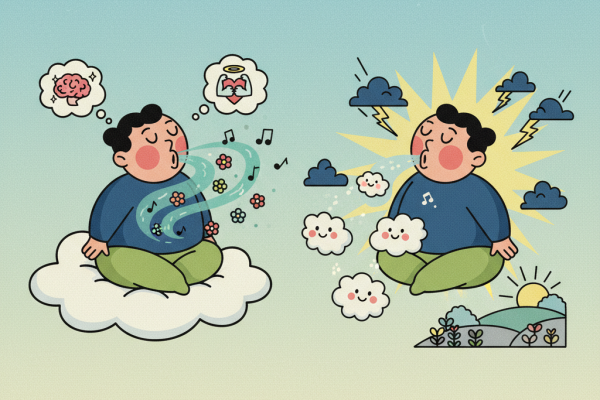
Research shows that changing how you breathe can lower stress, improve lung capacity, and even help manage acid reflux. Learn what science says about the health benefits of breathing exercises.
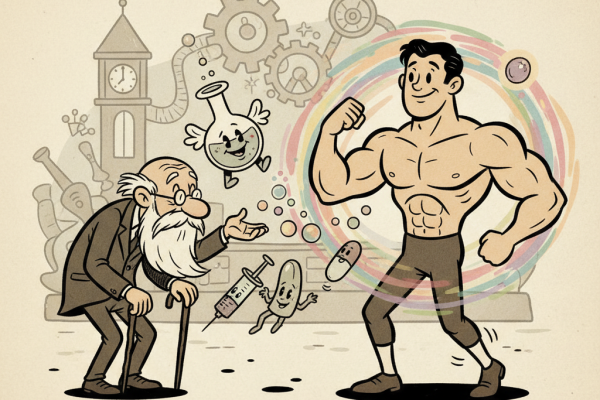
Cellular senescence occurs when damaged cells stop dividing but refuse to die, releasing inflammatory chemicals that accelerate aging. Discover what the latest science says about senolytics, senomorphics, and the future of anti-aging treatments.
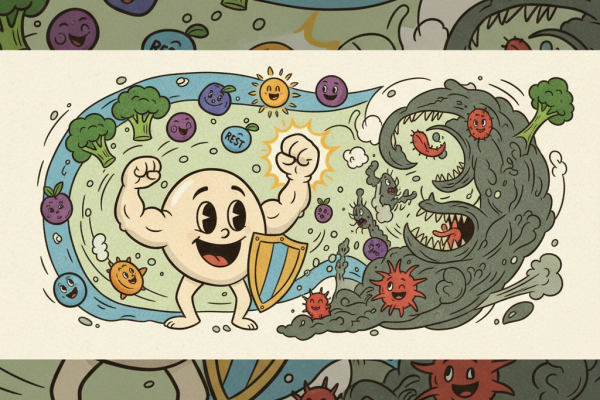
The innate immune system is the body's first line of defense. Discover how scientists are finding new ways to boost these natural first responders to fight infections, target cancer cells, and overcome age-related immune decline.
Uveitis is a complex form of eye inflammation that can threaten vision if left untreated. Learn what the latest research says about its causes, from autoimmune conditions to infections, and how doctors treat it.
Cryotherapy is used for everything from sports recovery to cancer care. We break down the latest research to explain how cold therapy actually affects your body, when it works best, and when you might want to skip the ice.
Workplace burnout is more than just being tired. Discover what the latest science reveals about the hidden causes of burnout, who is most at risk, and the interventions that actually work.
Chronic neck pain affects millions, but science shows that resting is rarely the answer. Discover how strength training, deep neck exercises, and manual therapy combine to relieve pain and restore movement.
Modern dermal fillers do more than just take up space. Recent research shows they interact with our cells to build collagen and regenerate lost tissue.
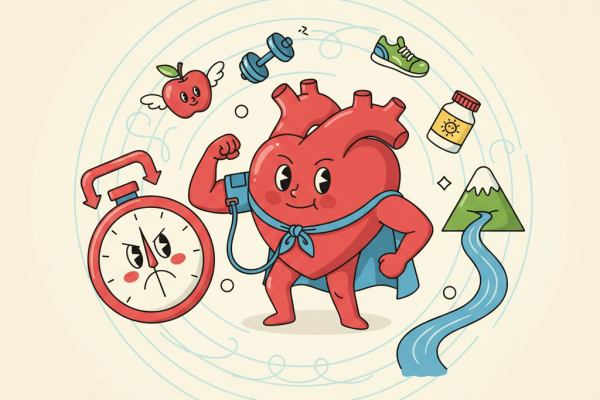
High blood pressure is a silent condition that damages your arteries over time. Learn what the latest science says about how diet, sleep, and alternative therapies can help you manage your numbers.
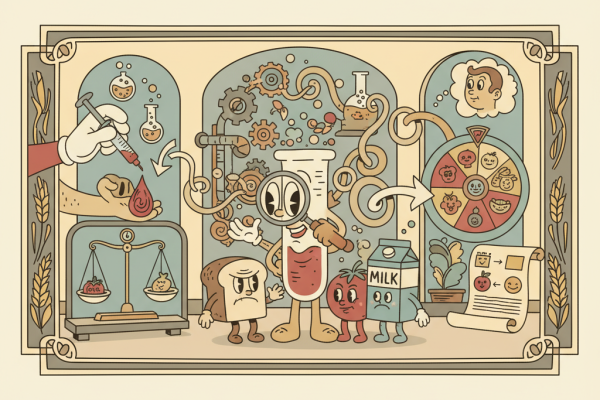
Food allergy tests are excellent at telling us what we are not allergic to, but they frequently raise false alarms. Learn how skin tests, blood tests, and food challenges actually work, and why a positive test doesn't always mean you have an allergy.