Do Antioxidants Actually Increase Lifespan?
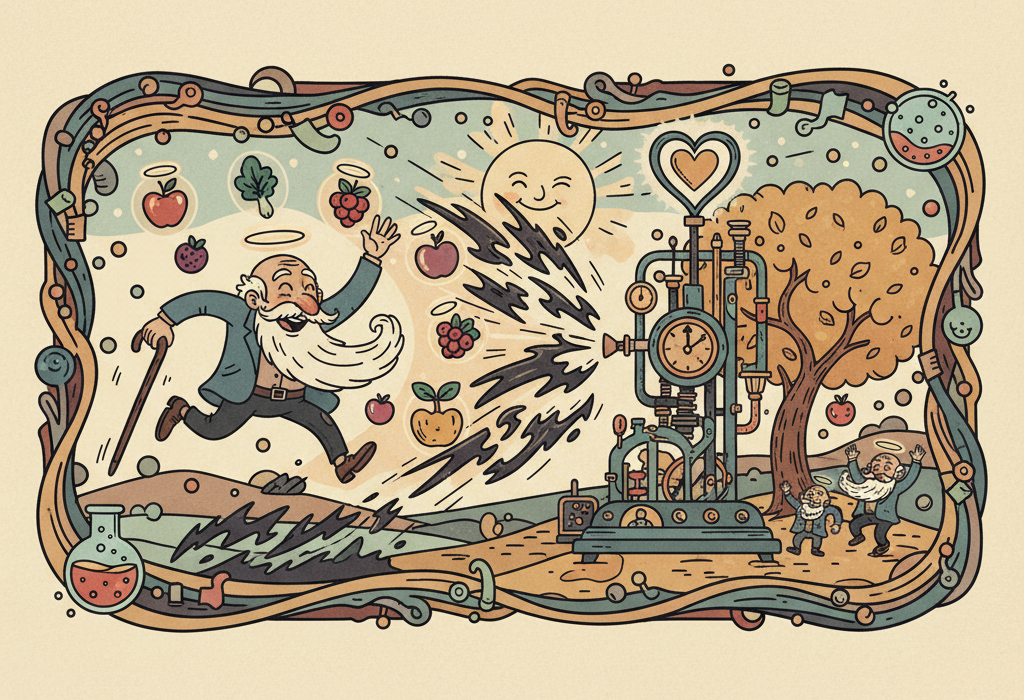
If you leave a bicycle out in the rain, it eventually rusts. For decades, scientists believed a similar process happened inside the human body. As our cells use oxygen to create energy, they produce unstable molecules that can cause cellular damage. This process is called oxidative stress (OX-ih-day-tiv stress).

To fight this damage, the body uses antioxidants. Because of this, it seems logical that swallowing large amounts of antioxidant supplements would slow down aging and extend human life. However, How to Promote Healthy Aging and Longevity: What the Latest Science Shows reveals that biology is rarely that simple.
While eating a diet rich in antioxidant foods is strongly linked to a longer, healthier life, taking high doses of isolated antioxidant supplements rarely extends maximum lifespan. In some cases, heavy supplementation can even backfire. This article explores what peer-reviewed research actually tells us about antioxidants, aging, and how our bodies truly use these compounds.
What the Research Shows About Antioxidants and Aging
The idea that free radicals cause aging is known as the Free Radical Theory of Aging. While it is true that oxidative damage plays a role in growing older, simply flooding the body with antioxidant pills does not automatically result in a longer life.
The Difference Between Foods and Supplements
When scientists look at broad populations, they consistently find that people who eat diets rich in antioxidants live longer and experience less heart disease and cancer. However, when researchers try to recreate these benefits using synthetic supplement pills, the results are often disappointing.
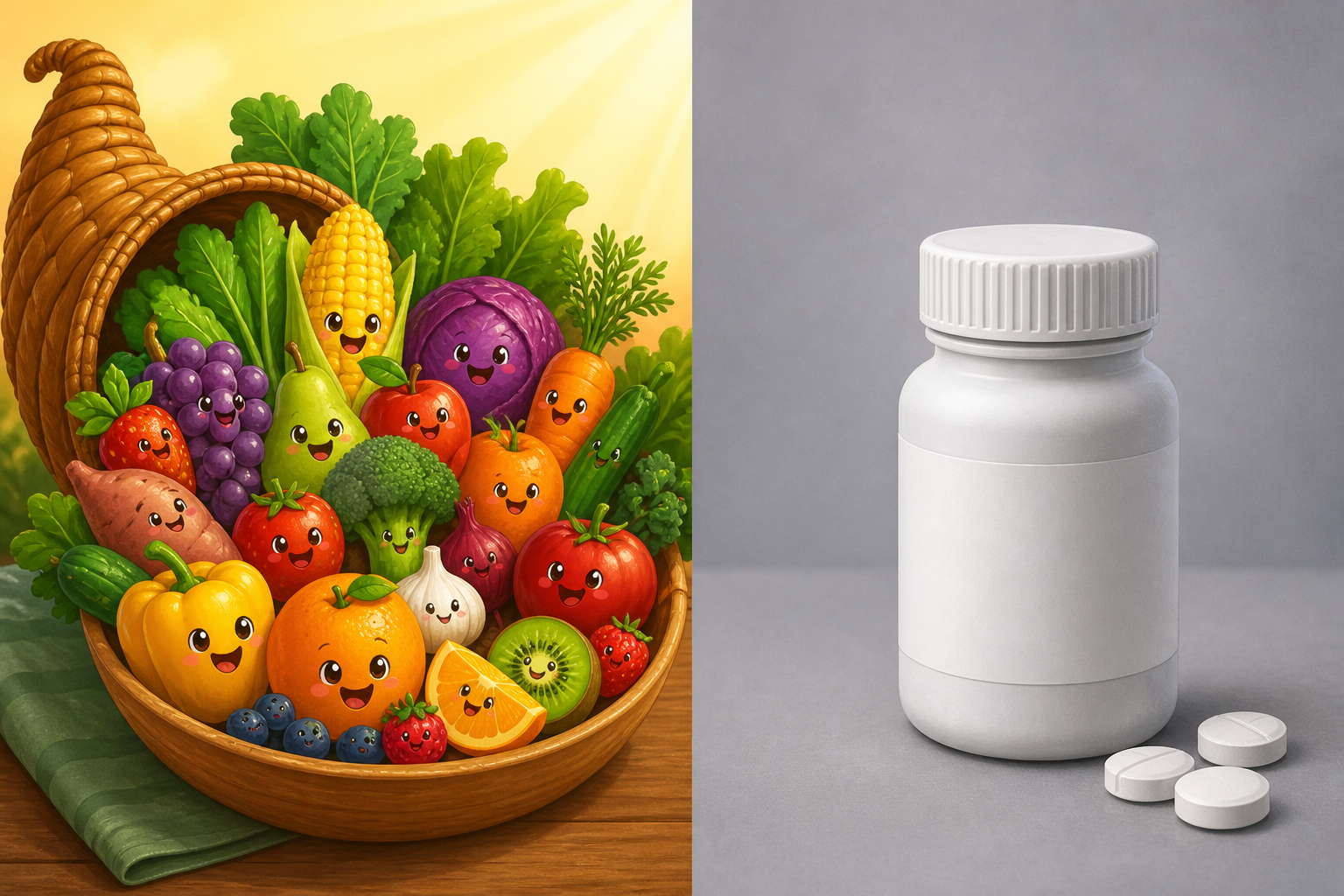
A 2014 review in BioMed Research International looked at multiple studies testing whether adding exogenous antioxidants (supplements taken outside the normal diet) could prolong the lifespan of animal models. The researchers found that while supplements sometimes helped animals that were already sick or genetically modified to lack natural defenses, they generally failed to extend the maximum lifespan of healthy animals.
Similarly, a 1999 study in Mechanisms of Ageing and Development tested whether giving middle-aged mice various antioxidants (like Vitamin E and melatonin) would make them live longer. The researchers found no effect on overall longevity. However, they did note that Vitamin E supplementation successfully improved the immune systems of the older mice, helping them fight off viral infections more effectively. This suggests that while antioxidants might not magically extend our maximum biological clock, they can still improve our quality of life as we age.
Genetic Links to Longevity
To understand if specific antioxidants directly cause people to live longer, scientists use a method called Mendelian randomization. This technique looks at genetic variations to separate true biological causes from simple correlations.
A 2022 study in BioMed Research International used this method on large genetic databases. The researchers found that a genetically determined higher concentration of a circulating retinol (Vitamin A) metabolite was causally associated with higher odds of longevity. Interestingly, the same study found no causal link between longevity and other circulating antioxidants like Vitamin C, Vitamin E, lycopene, or selenium.
Clues from Centenarians
Centenarians (people who live to be 100 or older) offer a unique window into successful aging. If antioxidants are the key to a long life, we might expect centenarians to have incredibly high levels of all antioxidants in their blood.
A 2000 study in Free Radical Biology & Medicine tested the blood of 32 healthy centenarians. The researchers found that these individuals had remarkably high levels of Vitamin A and Vitamin E compared to younger adults. Surprisingly, their levels of Vitamin C and uric acid were actually lower than those found in younger groups. This suggests that a very specific balance of antioxidants, rather than a massive amount of all of them, is linked to extreme longevity.
The Power of Longevity Diets
Instead of looking at isolated pills, many researchers focus on the dietary patterns of the world’s longest-lived populations. These diets provide a complex mixture of nutrients, fiber, and antioxidants that work together.
The Okinawan Diet
Residents of Okinawa, Japan, are famous for their high numbers of centenarians and low rates of age-related diseases. A 2009 study in the Journal of the American College of Nutrition analyzed the traditional Okinawan diet.
Researchers noted that the diet is very low in calories but highly dense in nutrients. The staple carbohydrate is not white rice, but the purple or orange sweet potato. Sweet potatoes are rich in complex carbohydrates, fiber, and carotenoids (a type of antioxidant). The diet also includes high amounts of soy, seaweed, and bitter melon. This combination results in a diet with a very low glycemic load and a massive amount of natural antioxidants, which researchers believe contributes heavily to their delayed aging.
The Mediterranean Diet
The traditional Mediterranean diet is another pattern strongly linked to a long lifespan. A 2007 review in Molecular Nutrition & Food Research highlighted the central role of extra virgin olive oil in this diet.
Olive oil is rich in monounsaturated fats and specific phenolic compounds like tyrosol and hydroxytyrosol. A 2000 study in The British Journal of Nutrition also pointed out that the wild edible greens frequently eaten in rural Greece contain exceptionally high quantities of flavonoids. These natural antioxidants help protect blood vessels and maintain metabolic health over decades.
How This Might Work: Hormesis and Cellular Switches
If free radicals cause aging, why do antioxidant pills often fail to stop it? The answer lies in how our cells actually communicate.
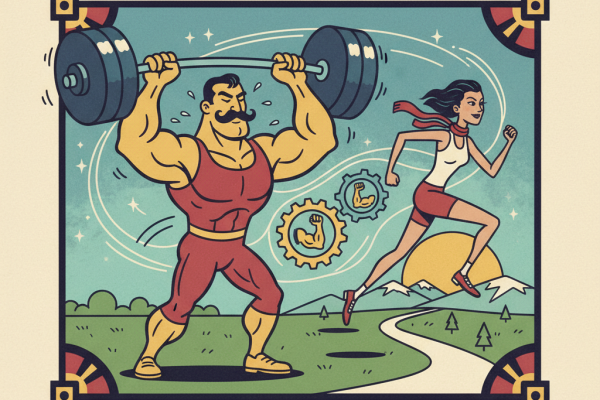
Scientists now understand that our bodies need a small amount of free radicals to function properly. Free radicals act as alarm signals. When you exercise, for example, your muscles produce free radicals. These radicals signal your body to build stronger muscles and produce its own natural antioxidants.
If you take massive doses of antioxidant supplements, you can actually silence these important alarm signals. This concept is called hormesis (hor-MEE-sis). Hormesis is a biological process where a small amount of stress makes the body stronger and more resilient.
The Nrf2 Pathway
Instead of relying entirely on vitamins from food, our bodies have their own internal antioxidant factories. The master switch for this factory is a protein pathway called Nrf2.
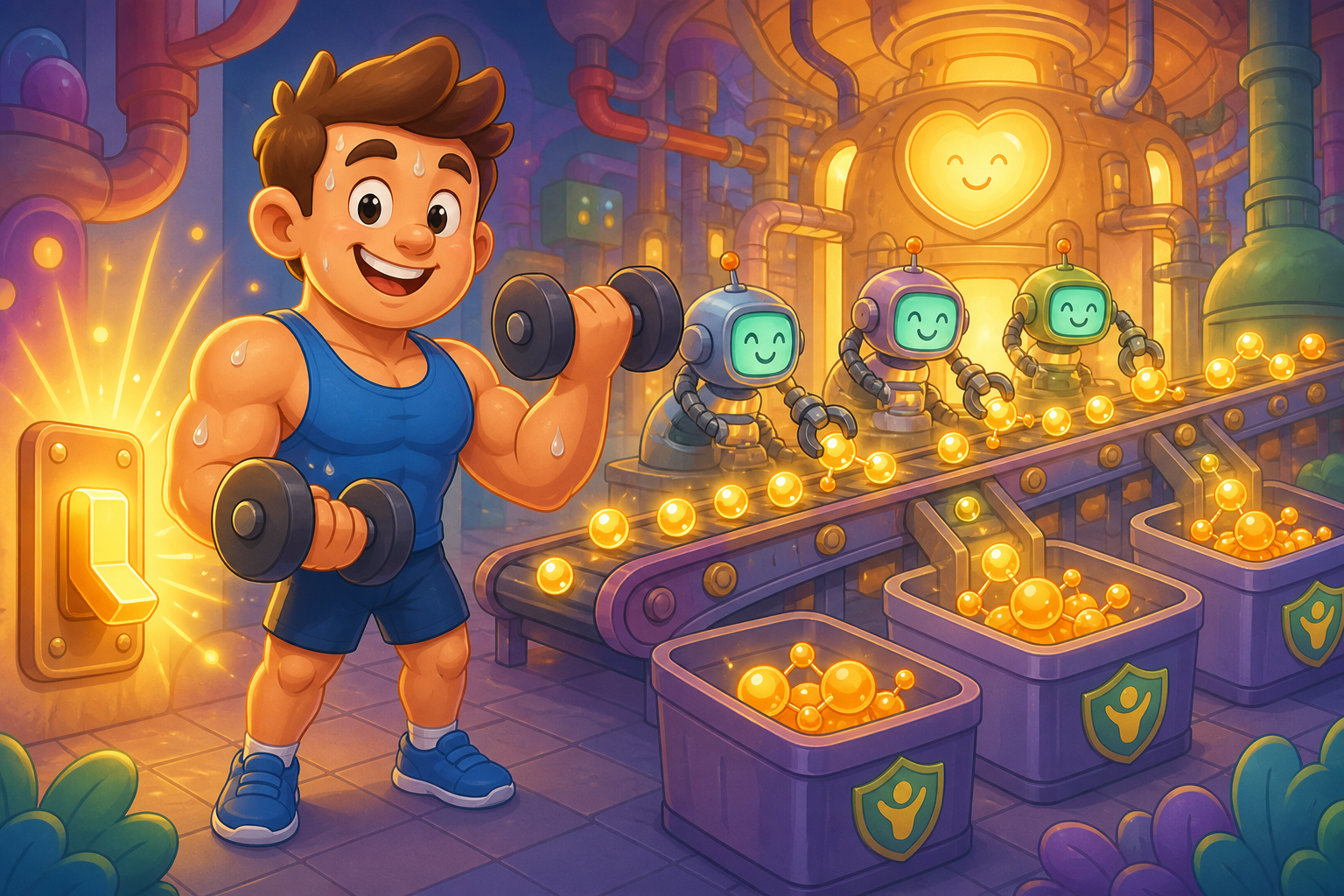
A 2011 review in Current Opinion in Clinical Nutrition and Metabolic Care explains that Nrf2 defends tissues against oxidative stress. Interestingly, mild stressors like caloric restriction, exercise, and certain plant compounds (like the sulforaphane found in broccoli) activate the Nrf2 pathway. By eating antioxidant-rich plants, we are not just absorbing their vitamins. We are actually consuming mild plant compounds that trigger our own Nrf2 switch, forcing our cells to build stronger internal defenses.
Sirtuins and NAD+
Another crucial mechanism involves sirtuins (sir-TOO-ins). Sirtuins are a family of proteins that regulate cellular health, repair DNA, and manage inflammation.
A 2022 study in the International Journal of Molecular Sciences explains that sirtuin activity naturally decreases as we age. Sirtuins require a molecule called NAD+ to function. Certain dietary compounds, like the polyphenols found in berries and the resveratrol found in grapes, are believed to interact with these sirtuin pathways. Does Resveratrol Really Work? What Science Says About the ‘Red Wine’ Antioxidant explores how these specific plant antioxidants might mimic the effects of caloric restriction, signaling the body to focus on cellular repair.
Who Benefits Most and Who Needs Caution
While a diet rich in fruits and vegetables is universally recommended, the science of antioxidant supplementation requires more caution. Research clearly shows that certain groups respond differently to isolated antioxidant pills.
The Role of Genetics and Zinc
Zinc is an essential mineral that acts as a powerful antioxidant in the body. However, as we age, our bodies become less efficient at using it. This is partly controlled by metallothioneins (meh-TAL-oh-THIGH-oh-neens), which are proteins that bind and transport zinc.
A 2008 study in Current Pharmaceutical Design explains that in older adults, high levels of metallothioneins can trap zinc, preventing the immune system from using it. A subsequent 2007 study in the Annals of the New York Academy of Sciences looked at giving zinc supplements to the elderly. The researchers found that zinc supplementation improved immune function, but the benefits were highly dependent on genetics. People with specific genetic variations related to inflammation (the IL-6 gene) benefited significantly more from zinc supplements than others. This proves that a “one size fits all” approach to antioxidant supplements is deeply flawed.
Caution for Smokers
One of the most famous examples of antioxidant supplementation backfiring involved beta-carotene (a precursor to Vitamin A).
A 2010 review in Current Medicinal Chemistry discussed a massive clinical trial involving heavy smokers. Researchers believed that giving smokers high doses of beta-carotene would protect their lungs from oxidative stress. Instead, the trial had to be stopped early because the smokers taking the antioxidant supplement actually had a higher rate of lung cancer. Scientists believe that in the highly toxic environment of a smoker’s lung, the heavy dose of beta-carotene became unstable and acted as a pro-oxidant, causing more damage rather than preventing it.
Common Misunderstandings About Antioxidants
Myth: More antioxidants are always better.
Fact: The body relies on a delicate balance. Erasing all free radicals with mega-doses of supplements can blunt the benefits of exercise and interfere with the immune system’s ability to destroy damaged cells.
Myth: All antioxidants do the same thing.
Fact: Antioxidants behave differently depending on where they live in the body. Vitamin C is water-soluble and protects the blood and cellular fluids. Vitamin E is fat-soluble and protects cell membranes. They work as a team, and taking a massive dose of just one can disrupt the entire system.
Practical Guidance: How to Apply This Science
Based on current research, here is how to safely support your body’s antioxidant defenses and promote longevity:
1. Prioritize Whole Foods Over Pills: Obtain your antioxidants from a wide variety of colorful plants. The body absorbs and utilizes nutrients from whole foods much more safely than from synthetic extracts.
2. Embrace Mild Stressors: Regular exercise, sauna use, and eating slightly bitter vegetables (like broccoli sprouts or arugula) act as mild stressors that activate your body’s internal Nrf2 antioxidant switch. A 2022 study on broccoli sprouts showed that they promoted cardiometabolic health and extended lifespan in animal models.
3. Focus on Synergy: Nutrients work together. For example, Vitamin C helps recharge Vitamin E after it has neutralized a free radical. Eating a varied diet ensures these systems have the raw materials they need to function properly.
4. Avoid Mega-Doses: Unless directed by a doctor to treat a specific deficiency, avoid taking massive doses of single antioxidants (like 1,000 mg of Vitamin E or heavy doses of beta-carotene).
The Bottom Line
The science of aging is complex. While oxidative stress definitely contributes to the physical decline we associate with growing older, antioxidants are not a magical pause button.
Research clearly shows that diets rich in natural antioxidants, like the Mediterranean and Okinawan diets, are strongly correlated with longer, healthier lives. These diets provide a steady, balanced stream of nutrients that support the body’s natural repair systems.
However, trying to cheat the system by taking high-dose antioxidant supplements usually fails. In some cases, it can interfere with the body’s natural signaling pathways. The most evidence-based approach to longevity is to eat a diverse, plant-rich diet, stay physically active, and allow your body’s internal defense systems to do the job they evolved to do.
Quick Reference: Key Studies
| Study Focus | Key Finding | Source |
|---|---|---|
| Retinol and Longevity | Genetically higher levels of circulating retinol (Vitamin A) metabolites are causally linked to longevity. | PMID 35132376 |
| Centenarian Blood Profiles | Healthy centenarians naturally show high levels of Vitamin A and E, but lower levels of Vitamin C. | PMID 10889454 |
| Antioxidants and Mice | Antioxidant supplements starting in middle age did not extend lifespan, but Vitamin E improved immune function. | PMID 10656531 |
| Okinawan Diet | A low-calorie, high-carbohydrate diet rich in natural antioxidants (sweet potato, soy) promotes extreme longevity. | PMID 20234038 |
| Zinc Supplementation | Zinc improves immune function in the elderly, but benefits depend heavily on individual genetics. | PMID 18056962 |
| Broccoli Sprouts | Long-term feeding of broccoli sprouts improved cardiometabolic health and lifespan in animal models. | PMID 36294045 |
Last updated: October 2026
This article synthesizes findings from peer-reviewed research. It is for educational purposes only and does not constitute medical advice. Consult a healthcare provider before starting any new regimen.
Leave a Reply