What Blood Tests for Inflammation Actually Tell Us About Your Health
Blood tests for inflammation can reveal hidden risks for depression, bone loss, and dementia. However, they can also easily mislead doctors if not interpreted correctly.
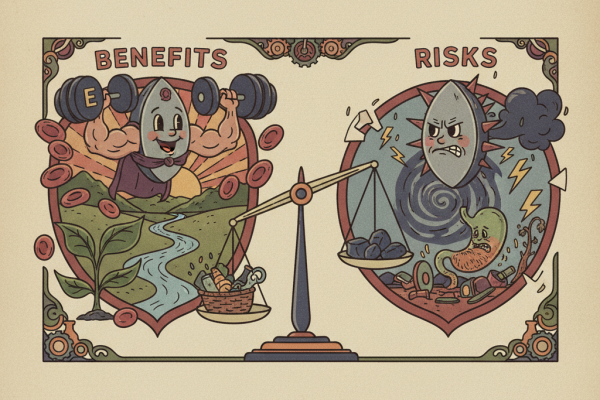
Iron is essential for energy and brain development, but taking supplements when you aren't deficient can cause harm. Learn what the latest science says about who actually needs iron, how to absorb it best, and why testing is crucial.
Chronic inflammation is linked to many long-term health problems. Learn what science actually says about how an anti-inflammatory diet affects your brain, gut, and heart.
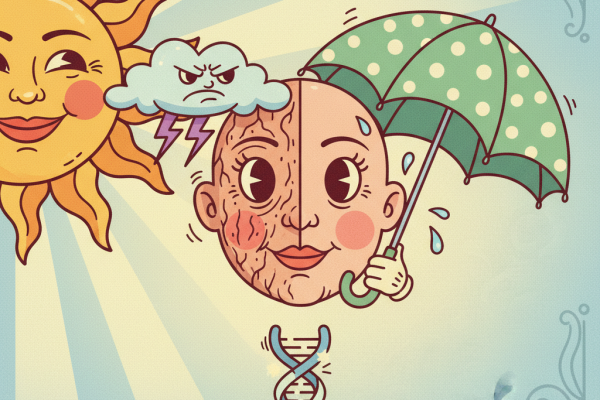
Sunlight feels great, but UV radiation causes invisible damage to our DNA and cellular structures. Discover how ultraviolet rays actually age the skin and what the latest science says about using antioxidants to fight back.
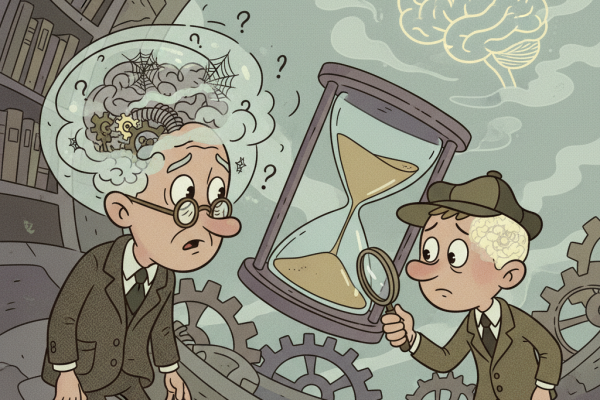
Brain fog and mental fatigue are common as we age, but they do not always signal permanent decline. Learn what the latest science says about the aging brain, temporary memory slips, and how to protect your cognitive health.
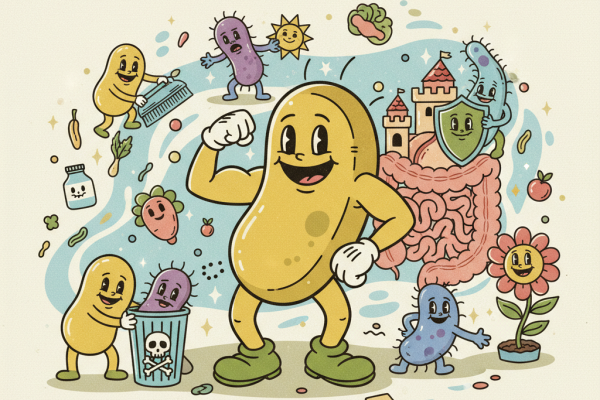
Probiotics are widely popular, but do they actually work? We break down the latest science on how these microscopic organisms impact digestion, heart health, mood, and immunity.
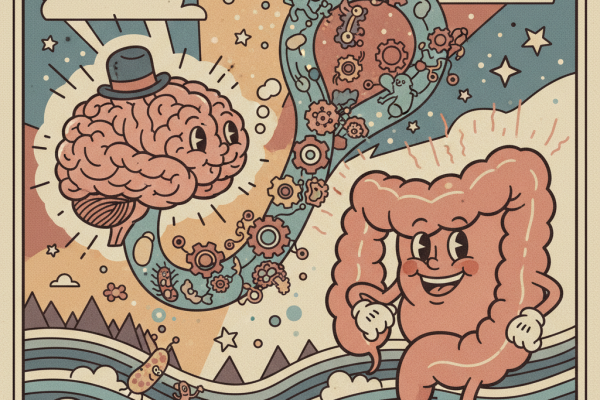
The gut-brain connection is a complex communication network linking your digestive tract and your central nervous system. Discover how your gut microbiome influences mood, memory, and neurological health, and what the latest science says about improving it.
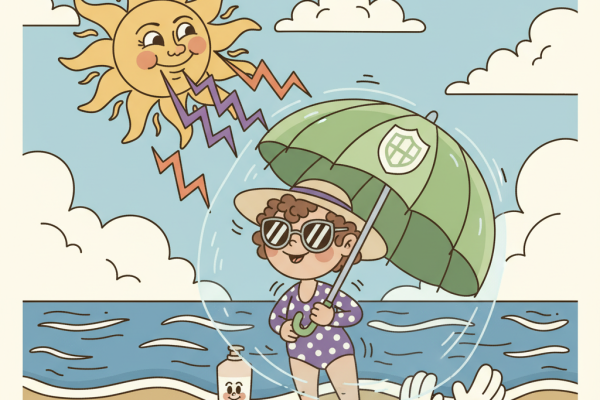
Protecting your skin from the sun involves more than just sunscreen. Discover how physical barriers, topical antioxidants, and specific foods work together to defend your skin against UV damage and photoaging.
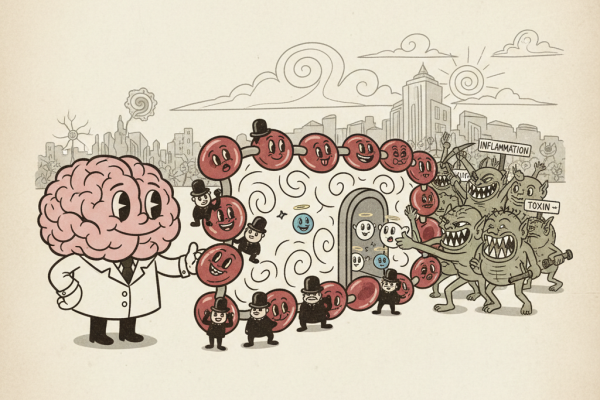
The blood-brain barrier is a microscopic security system that protects your brain from toxins. Learn what the latest science says about how aging, sleep, and gut health affect this vital barrier, and how doctors are learning to bypass it to treat disease.
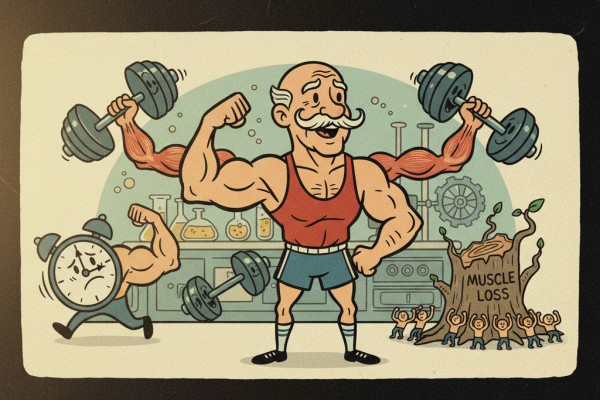
Age-related muscle loss is common, but it is not entirely inevitable. Research shows that a combination of resistance training and optimized protein intake can help preserve your strength and independence as you age.