The Science of Breathing Exercises: What Research Shows
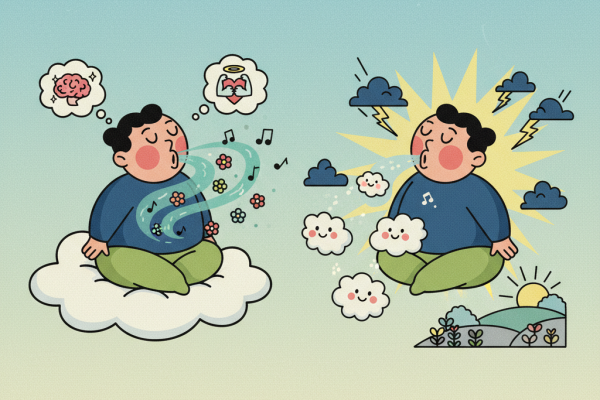
Research shows that changing how you breathe can lower stress, improve lung capacity, and even help manage acid reflux. Learn what science says about the health benefits of breathing exercises.
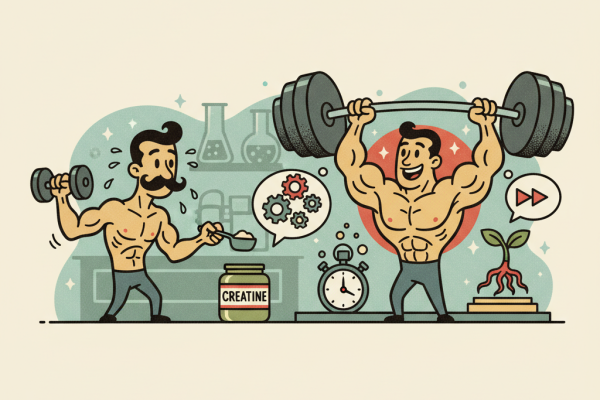
Creatine is widely known as a sports supplement, but new research reveals it also supports brain health, healthy aging, and memory. Learn what peer-reviewed science says about how it works and who benefits most.
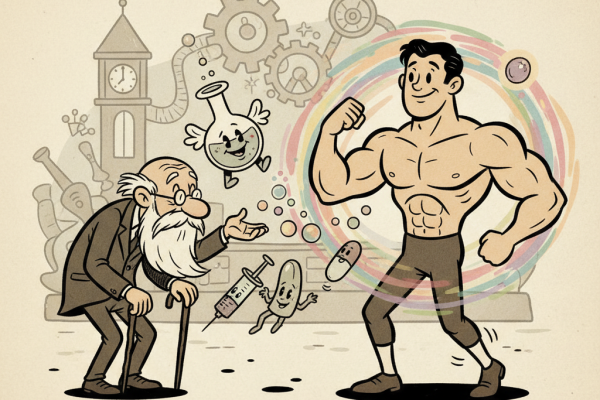
Cellular senescence occurs when damaged cells stop dividing but refuse to die, releasing inflammatory chemicals that accelerate aging. Discover what the latest science says about senolytics, senomorphics, and the future of anti-aging treatments.
Discover what the latest science says about athletic performance, from the role of genetics and heart adaptations to preventing common sports injuries and heat illness.
Resveratrol is a popular plant compound known for its presence in red wine. While research shows it may support metabolic health and protect bone density in postmenopausal women, poor absorption and mixed human trials mean it is not a magic anti-aging pill.
The innate immune system is the body's first line of defense. Discover how scientists are finding new ways to boost these natural first responders to fight infections, target cancer cells, and overcome age-related immune decline.
Uveitis is a complex form of eye inflammation that can threaten vision if left untreated. Learn what the latest research says about its causes, from autoimmune conditions to infections, and how doctors treat it.
Quercetin is a powerful plant compound linked to brain health, reduced inflammation, and better metabolism. Learn what the latest science says about its benefits and the secret to actually absorbing it.
We are constantly told that blue light from screens ruins our sleep. But recent science reveals that simply wearing blue-blocking glasses isn't enough if you are still scrolling through engaging content.
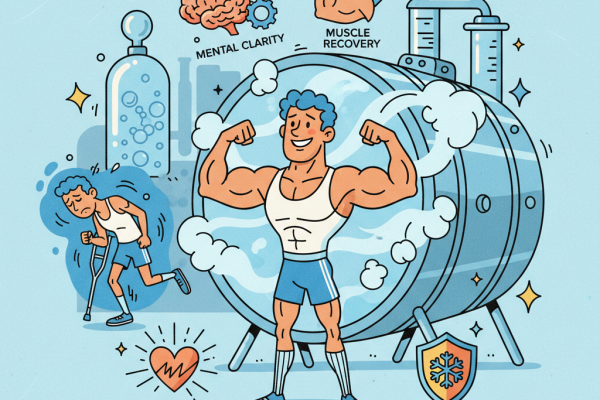
Cryotherapy is used for everything from sports recovery to cancer care. We break down the latest research to explain how cold therapy actually affects your body, when it works best, and when you might want to skip the ice.